Saint-Paul-de-Vence is the Riviera village that everyone photographs and almost nobody decodes. The standard line — prettiest of the perched villages, ramparts and bougainvillea, a postcard above the valley — is true and tells you nothing. What sets it apart is harder to see on a day trip: this is a place where the painters never really left. Bonnard worked just down the road, Chagall is buried in the cemetery, Matisse built his chapel one valley over, and a hotelier on the village square took canvases as payment for lunch until the dining room became one of the most valuable private collections in France. The ramparts and the light are the setting. The century of artists who came for that light is the actual subject.
So treat it as a working town with a long memory rather than a film set. The medieval core is small enough to cross in ten minutes and dense enough to lose a morning in. The light does what it has always done — flattens at noon, then turns the stone gold from about five o'clock. Come for that, not the queue.
When to go
Saint-Paul has two registers, and they barely overlap. July and August are the village as crowd: the single main street, Rue Grande, packed shoulder to shoulder, the cars circling for a space that does not exist, the galleries doing brisk trade in things you would not hang at home. It is not unpleasant, exactly, but it is not the village either.
The version worth your time is May to June and September to October. The light is at its best, the terraces are open, and you can hear your own footsteps on the cobbles before nine and after six. Spring brings the wisteria; autumn brings a softer, longer gold and the first quiet after the season. Winter is the connoisseur's secret — half the restaurants closed, the ramparts empty, the Maeght nearly to yourself, the whole place returned to the locals and the few who know.
Whenever you come, the rhythm is the same. Arrive late afternoon or stay the night. The day-trippers leave around six, the coaches with them, and for two hours the village belongs to whoever is still inside the walls.
The painters' village
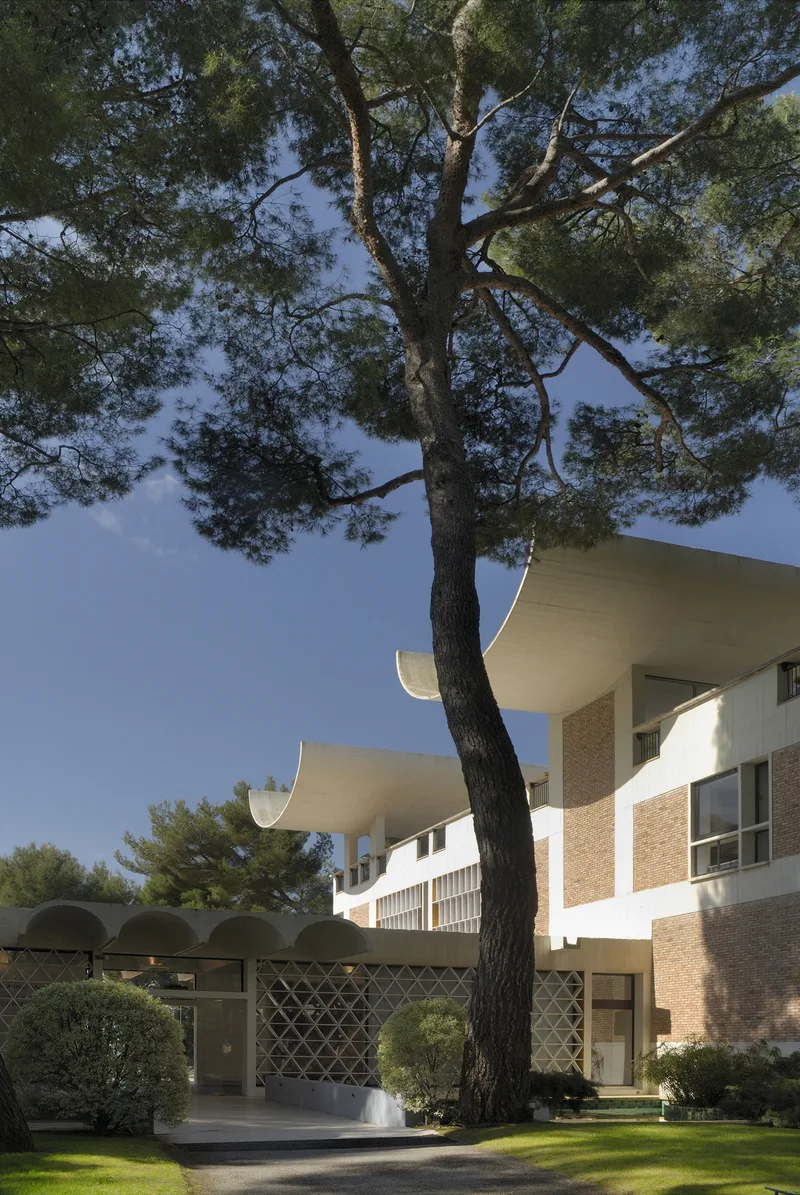
Begin outside the ramparts, on the road toward La Colle, at the Fondation Maeght — the reason serious people come to Saint-Paul. Aimé and Marguerite Maeght built it in 1964 with the artists themselves: a Giacometti courtyard, a Miró labyrinth of ceramics and sculpture, a Braque pool, a building by Josep Lluís Sert that is itself one of the great pieces of modern architecture in France. It is not a stop on the way to lunch. Give it a full half-day. The Fondation Maeght bookshop is among the best art bookshops on the coast — the catalogues, the monographs, the things you cannot find at home — and worth the visit on its own.
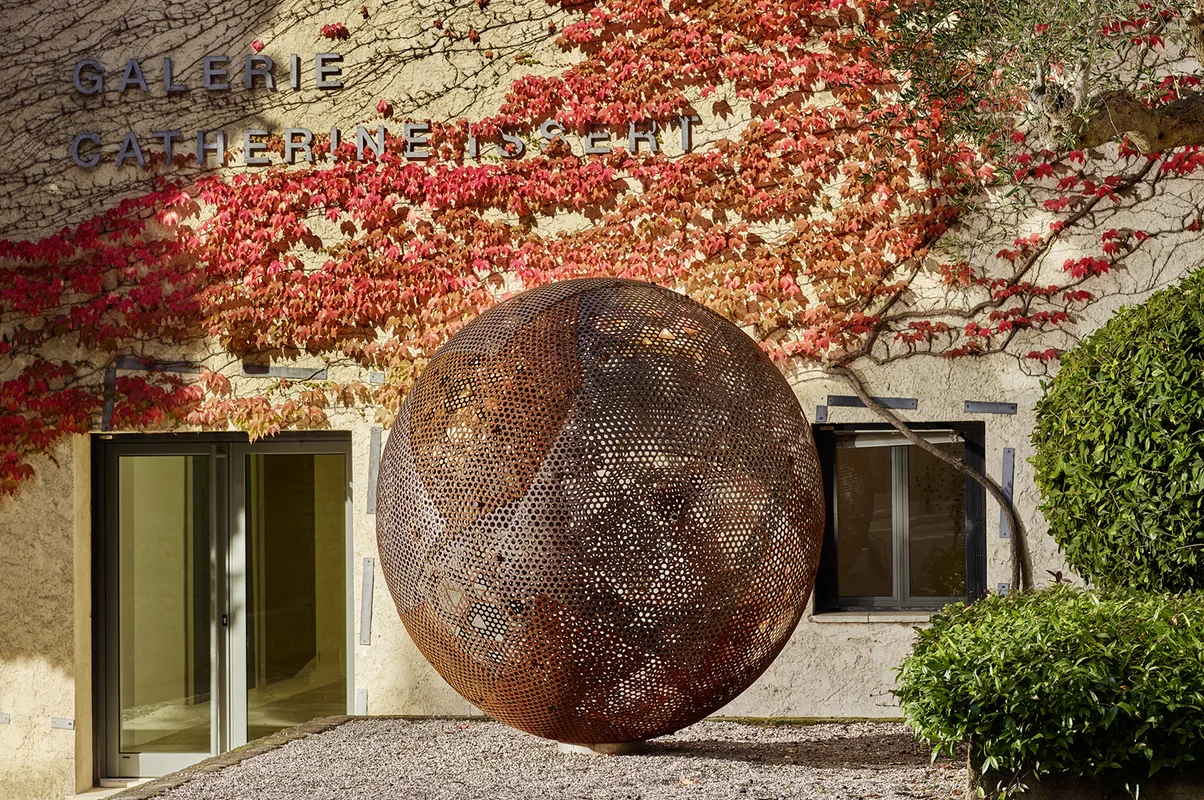
Back near the gate, contemporary art is still being sold, not just remembered. Galerie Catherine Issert, on the Route des Serres just outside the walls, has shown the serious end of the regional scene for decades — the gallery that takes the village's history forward rather than trading on it.
Then walk the walls. The ramparts loop the old town with views down to the Cap and back to the Alps, and the medieval lanes inside — Rue Grande, the Rue du Haut Four, the small squares — reward slowness. The cemetery at the southern tip holds Chagall, a plain stone with a long line of pebbles left on it. Most people miss it. Don't.
Where to eat and drink
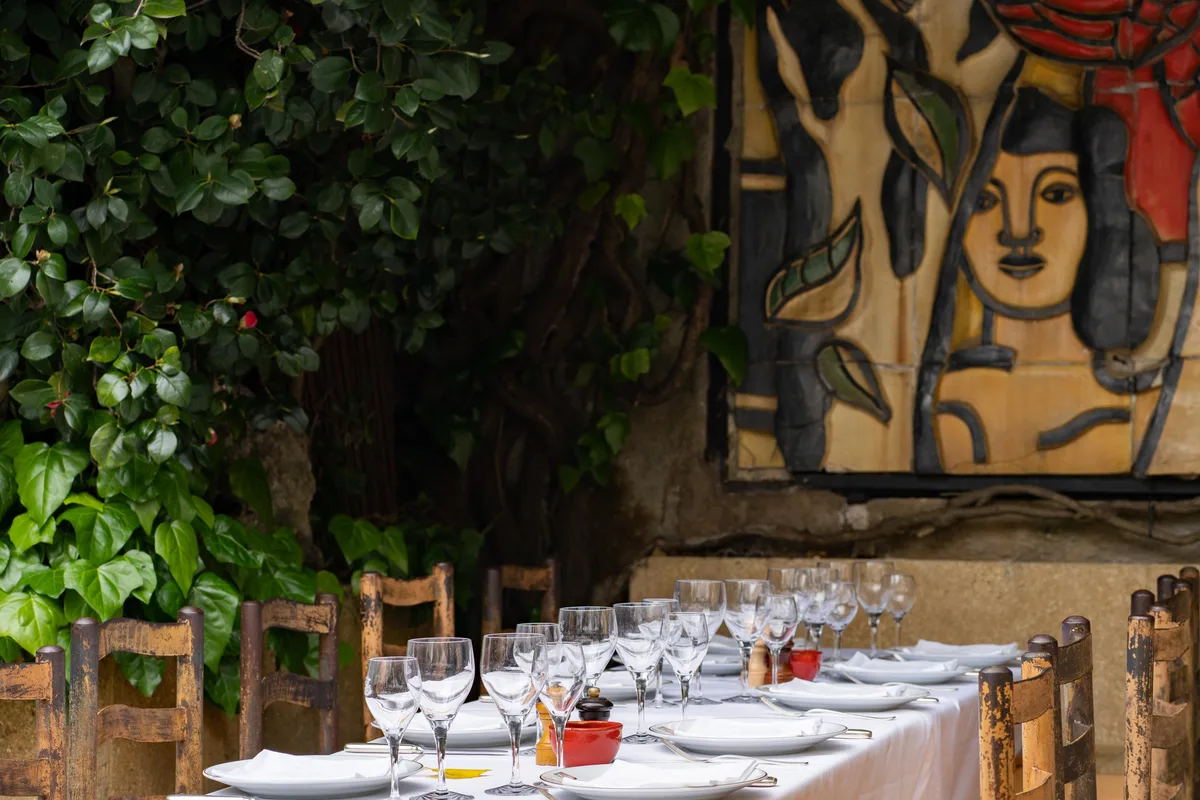
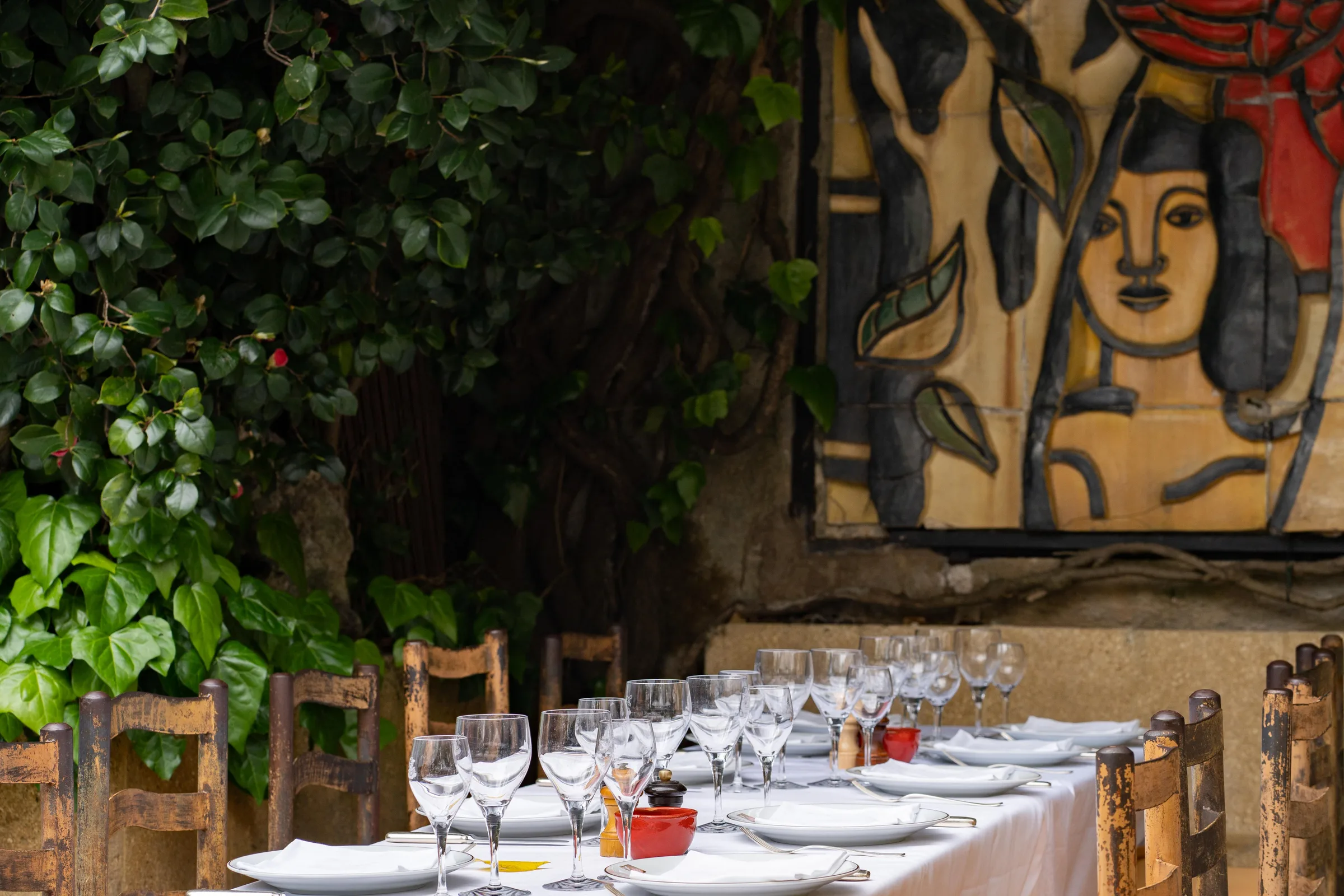
The village eats well if you know where to sit. The legend is La Colombe d'Or, on the square at the entrance — the inn where Picasso, Matisse, Léger and Miró paid in art, and where the walls now carry a collection most museums would envy. Lunch in the garden, under the Calder mobile and the fig trees, is one of the Riviera's enduring rituals. The food is honest Provençal — the famous basket of crudités, simple grilled things — and the point is the room, the history, and the long lunch that follows. Book well ahead; this is not a walk-in.
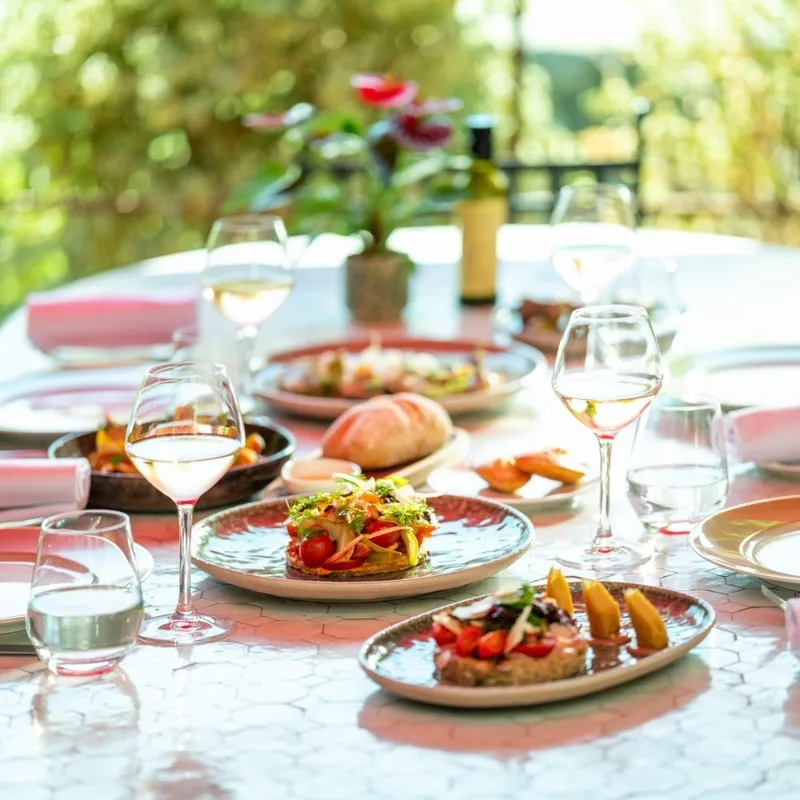
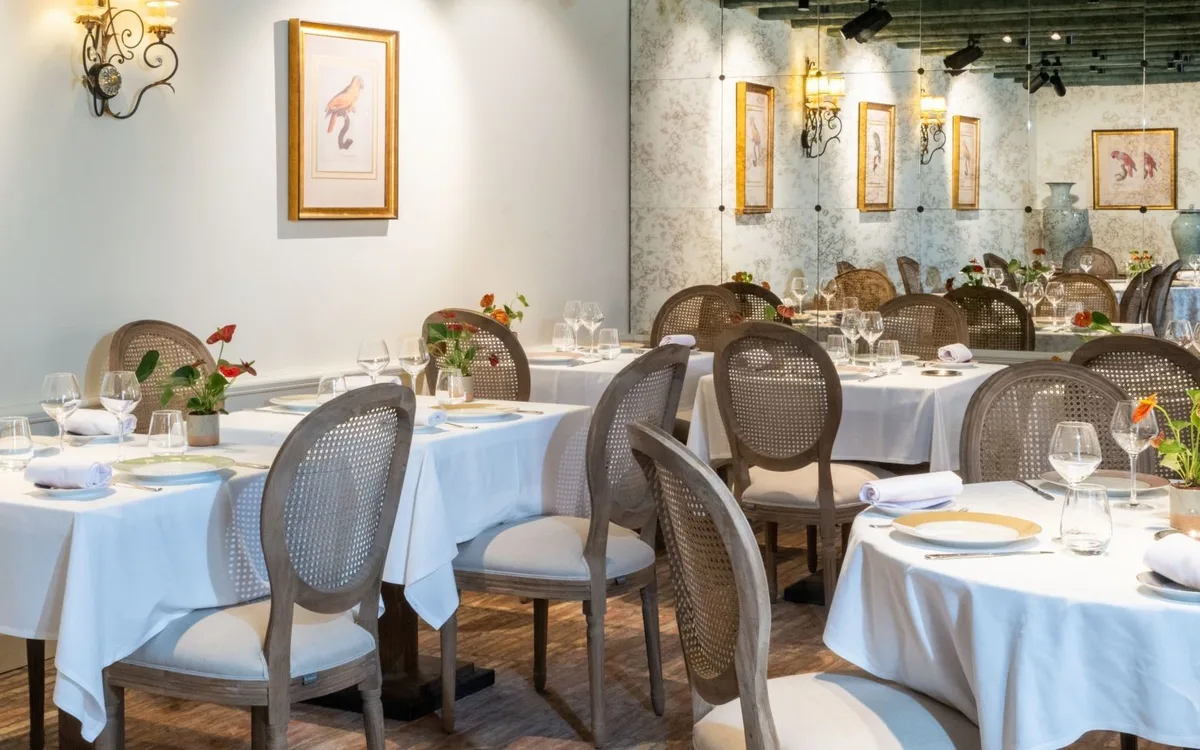
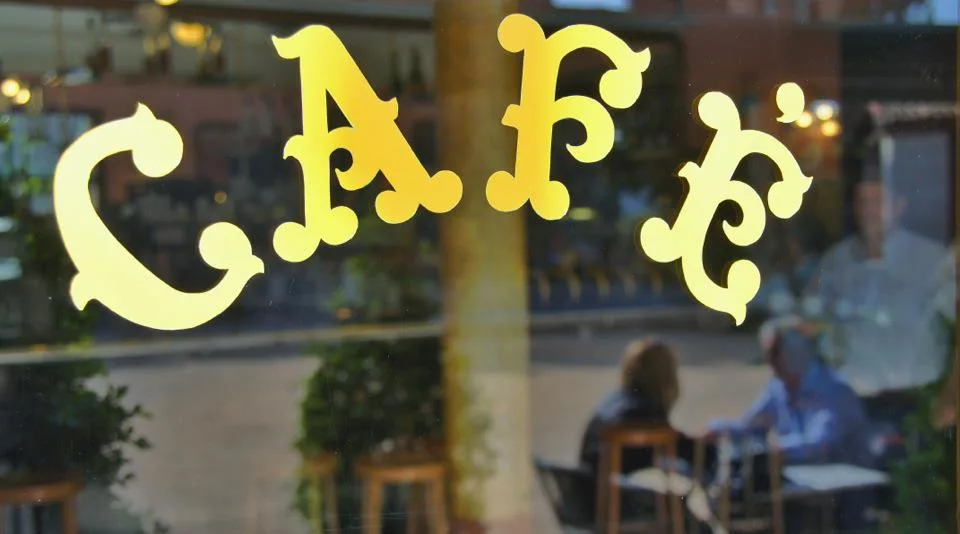
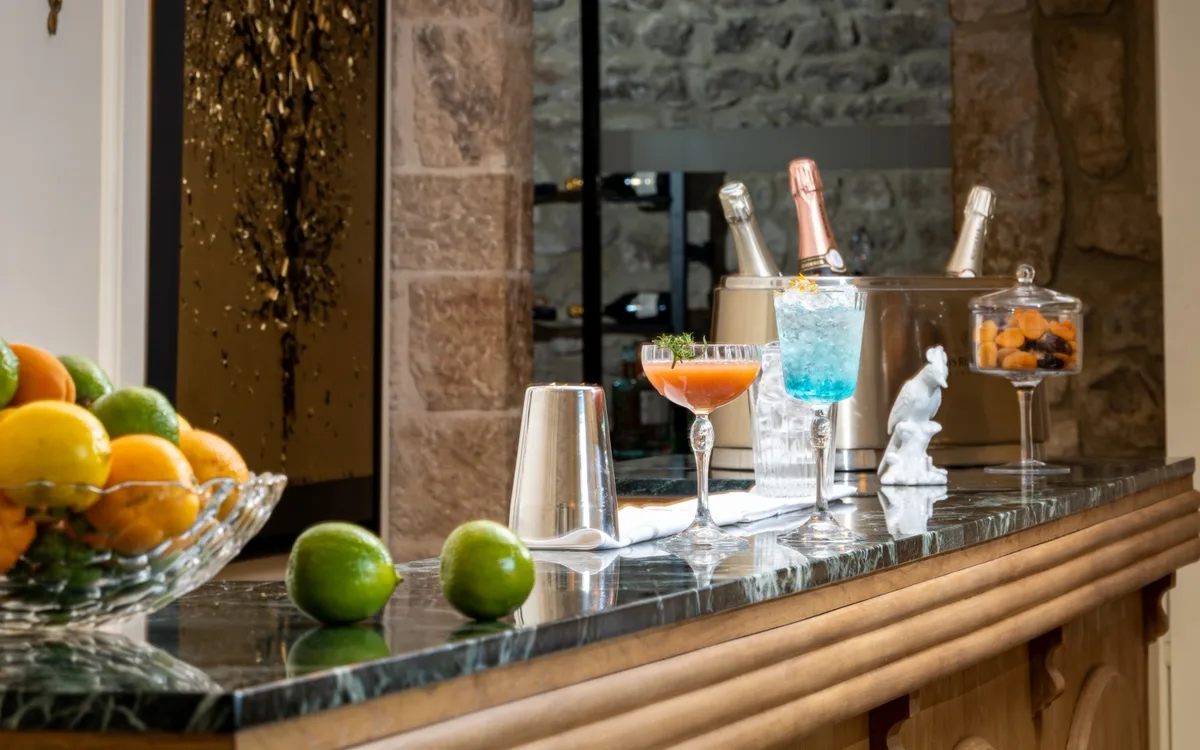
For the village's everyday face, Le Café de la Place sits under the plane trees by the entrance, watching the pétanque on the square — the place to nurse a coffee or a pastis and let the village come to you. Just inside the gate, on the first square, Le Tilleul runs a shaded terrace under its namesake lime tree, reliable from morning coffee through dinner. And inside the Relais & Châteaux on Rue Grande, Restaurant Le Saint-Paul is the considered choice for a proper dinner within the walls, with the Bar du Saint-Paul for a quiet, well-made drink before or after — the village at its most polished.
For the in-between hours, Saint-Paul rewards grazing. Glacier de la Fontaine, on the Rue du Haut Four, is the ice cream you eat walking the ramparts. Le Fromager de Saint-Paul on the Rue de la Pourtoune handles the cheese, and L'Épicerie des Artistes on the western wall is the stop for the things that make a picnic — a board to carry up to a quiet stretch of rampart at the gold hour, which is arguably the best meal the village offers.
Where to stay
Stay the night and you get the village the day-trippers never see — the empty lanes at dusk, the lit windows, the dawn before the gates fill. Hôtel Le Saint Paul, a Relais & Châteaux on Rue Grande, is the address inside the walls: a sixteenth-century house turned intimate hotel, terrace views over the valley, the kind of quiet you only get once the coaches have gone. La Colombe d'Or also keeps rooms for those who want to sleep inside the legend. Either way, the value is the same — the hours when Saint-Paul stops performing and simply exists.
Stay for the light, not the photograph.