Ramatuelle is the part of Saint-Tropez that the marina forgets to mention. The postcard belongs to the southern half of Pampelonne — the long flat beach, the daybeds, the rosé that arrives before you have decided you want it. But the commune is really two places stacked on a single hill: a tight medieval village of pale stone and bougainvillea up top, and the most famous sand on the Riviera at the bottom. Between them sit vineyards and parasol pines, a winding road, and a calm that the peninsula otherwise spends a great deal of money trying to buy back. The shorthand is Saint-Tropez's back garden. The truer read is that Ramatuelle is where people go when they already know Saint-Tropez and would rather not queue for it.
The two Ramatuelles
Get the geography straight and the rest of the day arranges itself. The village is a hilltop circle — concentric lanes, a rampart that became a row of houses, the kind of place you walk in fifteen minutes and keep walking anyway. The coast is Pampelonne, and the half that falls inside Ramatuelle commune is the half with the longest pedigree. Club 55 has been on this sand since 1955; the founding myth of the whole beach-club idea was written here, not in town. Between village and beach there is no boardwalk, no promenade — just the D93 threading the vines, which is exactly why it stays quiet.
A useful thing to know: a number of the names people file under "Saint-Tropez" are administratively Ramatuelle. The southern Pampelonne clubs, the lighthouse at Cap Camarat, the cove at Bonne Terrasse. You are closer to all of it from a village table than from the Old Port, and the parking is a different order of problem.
The cliff
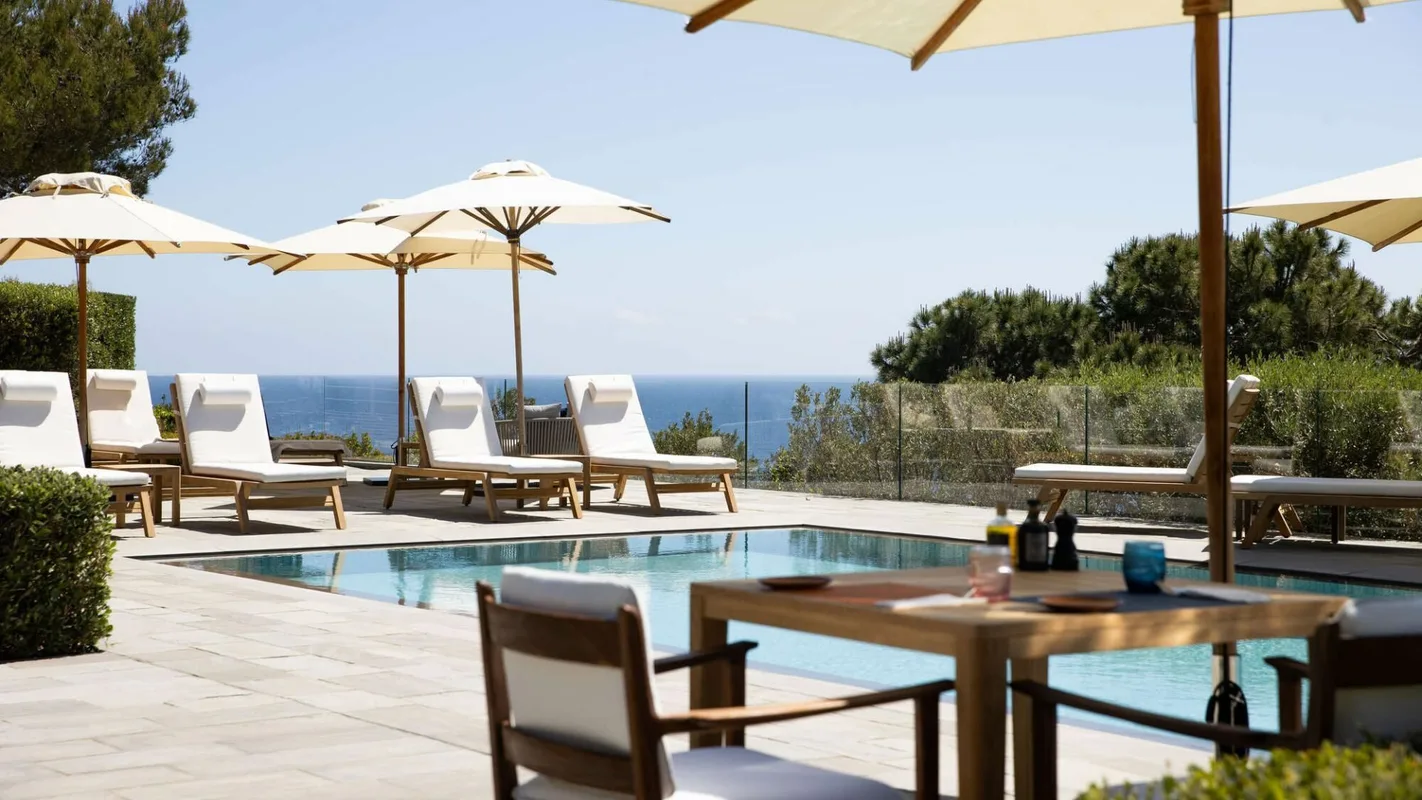
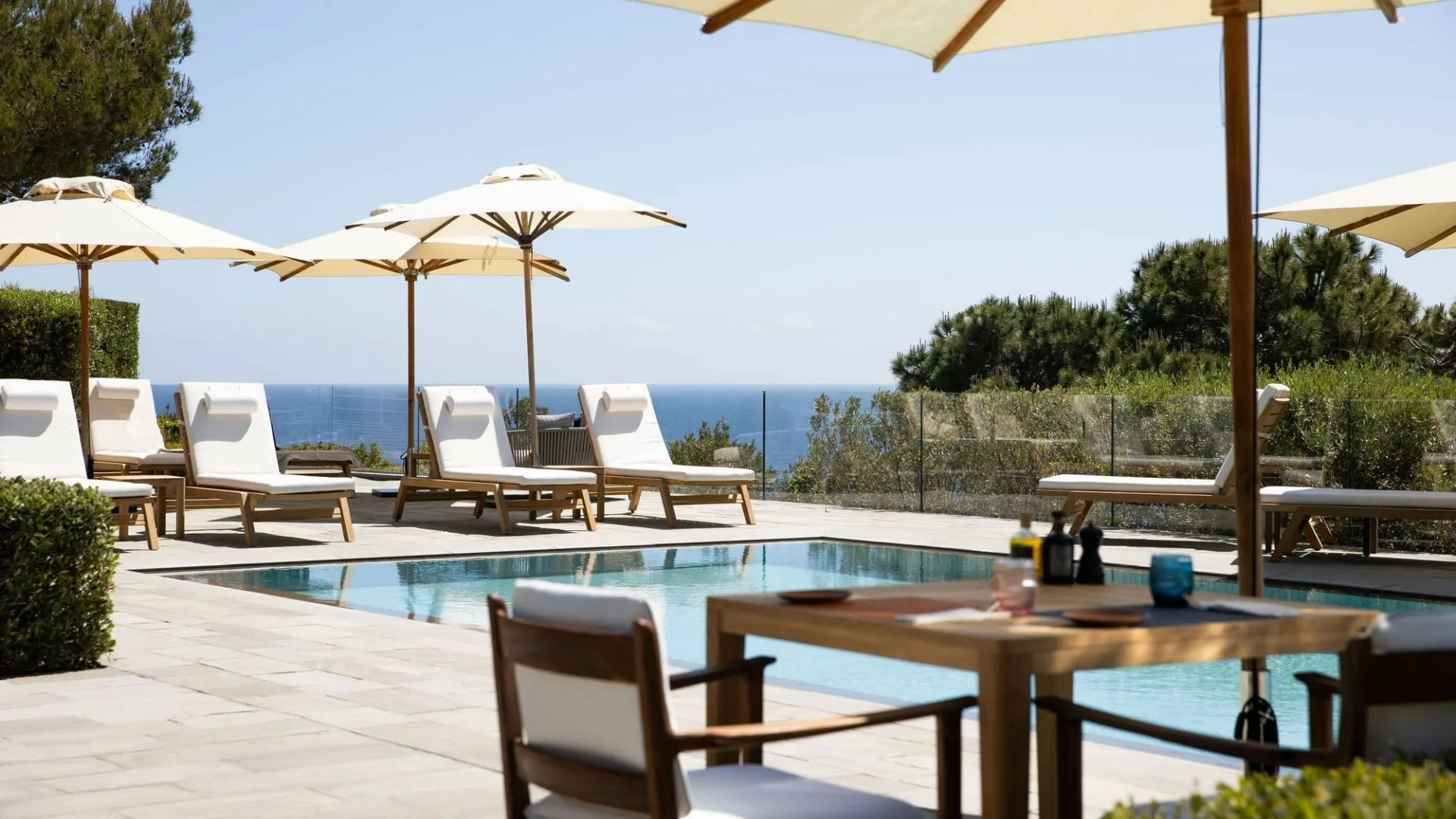
La Réserve Ramatuelle is the address that defines the village half, and it does it quietly. It sits among the pines on the hill above Pampelonne, looking south to the sea and north to the village, with pool terraces shaped to the rock and a spa that is the real reason a certain kind of guest comes back. Nineteen suites, eight rooms, fourteen villas — small enough to feel like a private estate, large enough that you can forget the marina exists for a day. It runs roughly May to October. The walk down to Pampelonne on the coastal path takes about twenty minutes and is the move when the shuttle is full.
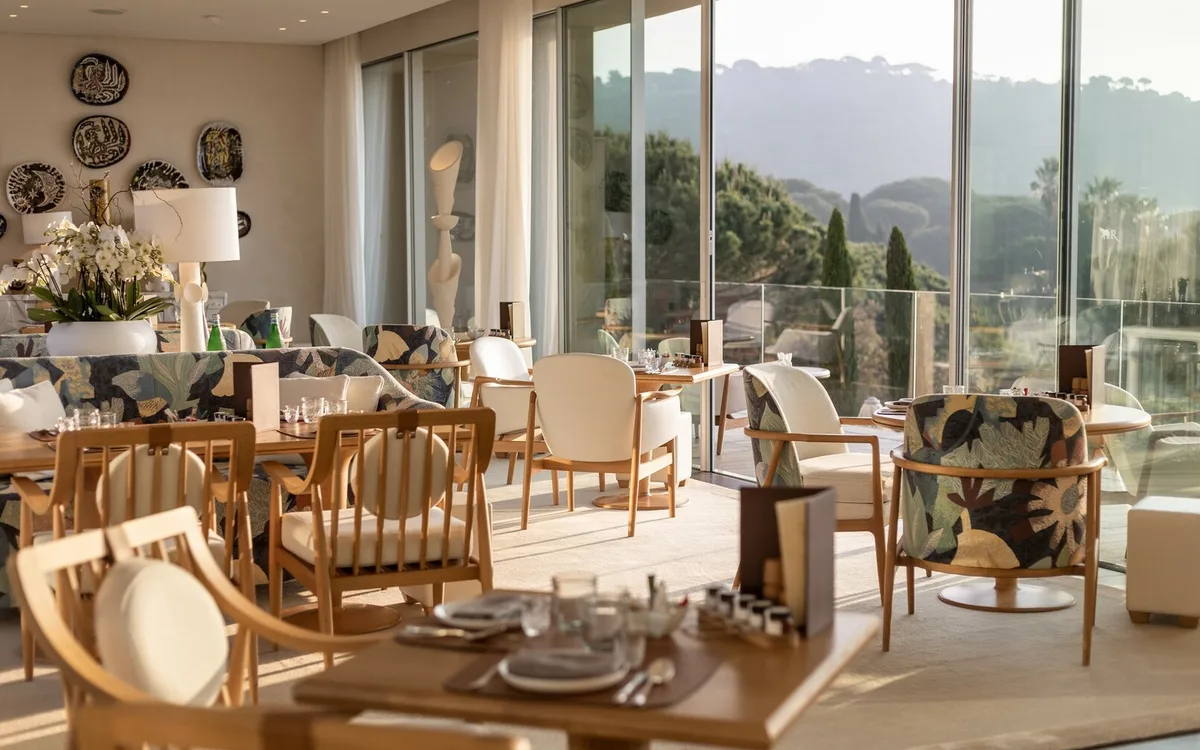
The kitchen here is not an amenity, it is a destination. La Voile holds two Michelin stars under chef Éric Canino, and it is the most disciplined cooking on the peninsula — a healthy-Mediterranean register, vegetables and fish treated with a seriousness that reads as restraint rather than denial. Book the lunch tasting menu if you can. The lighter sequence reads cleaner with the daylight on the terrace, and you keep the evening for the village.
In the village
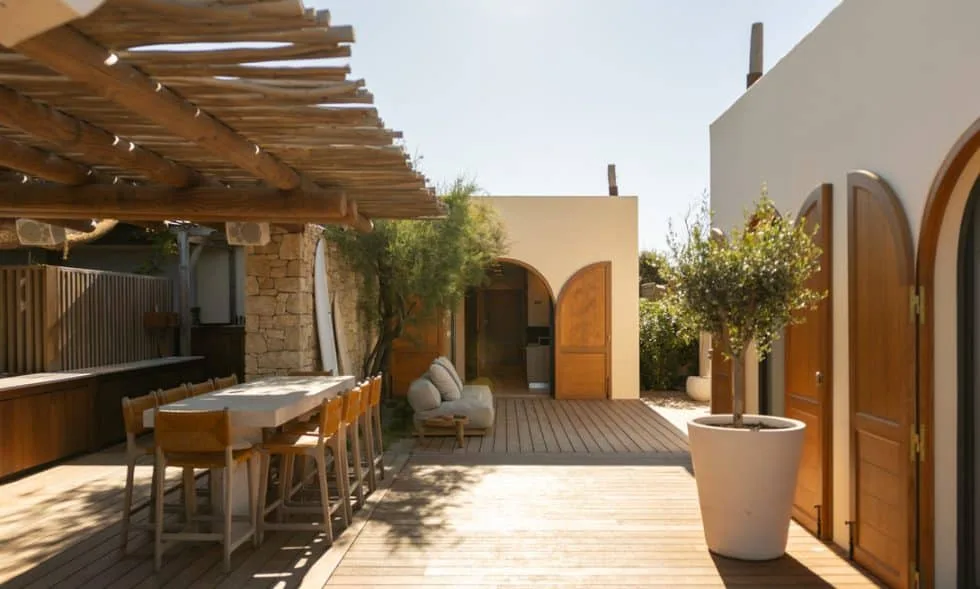
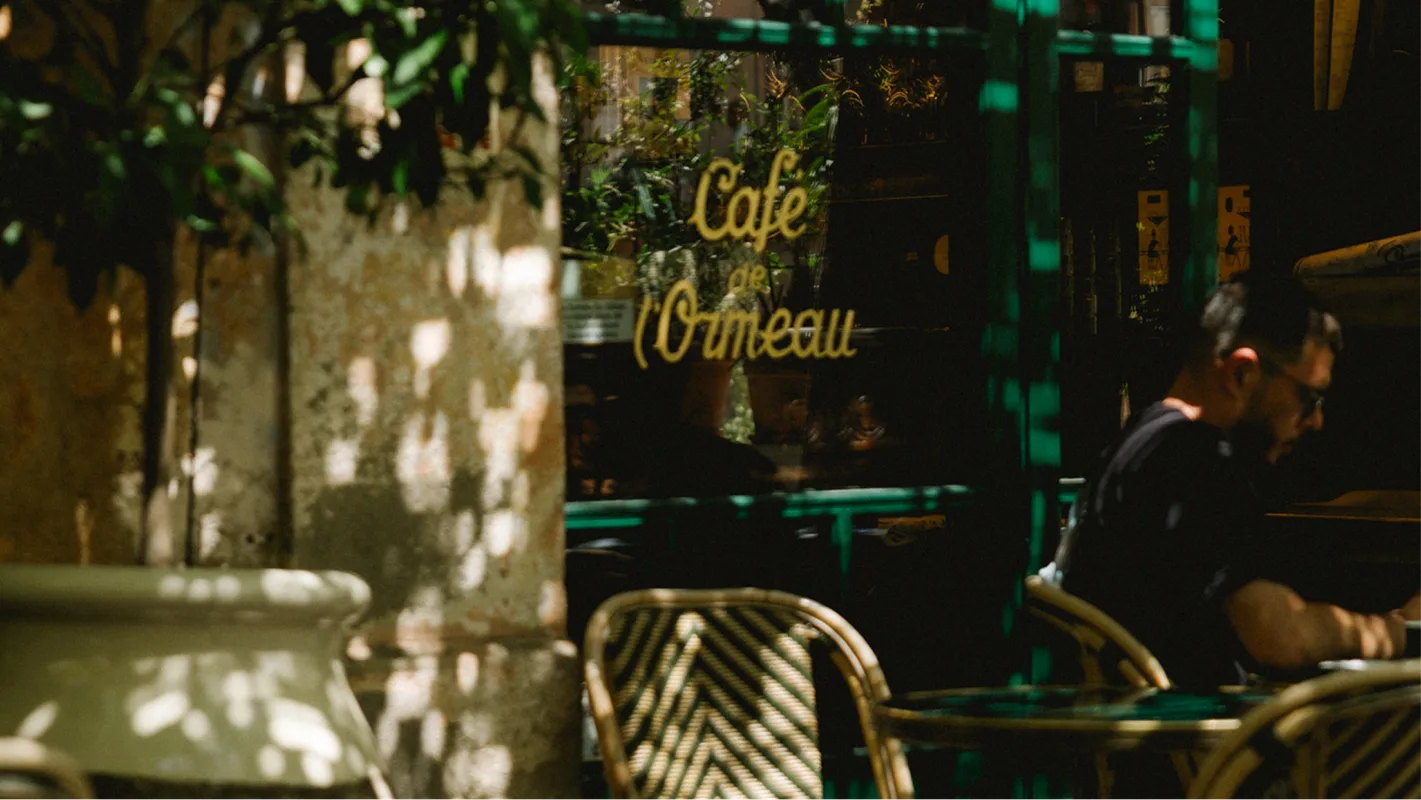
The heart of the upper town is Café de l'Ormeau on Place de l'Ormeau — an eight-decade landmark that has seen Bardot, Hallyday, Chirac and Pompidou pass through its chairs. Indie Group took it over in June 2024 and did the rare, right thing: refreshed the kitchen into a Provençal bistronomy and left the soul where it was. A morning espresso on the square is the correct way to begin a Ramatuelle day — calmer than anything down on the sand, with the same kitchen lineage behind it.
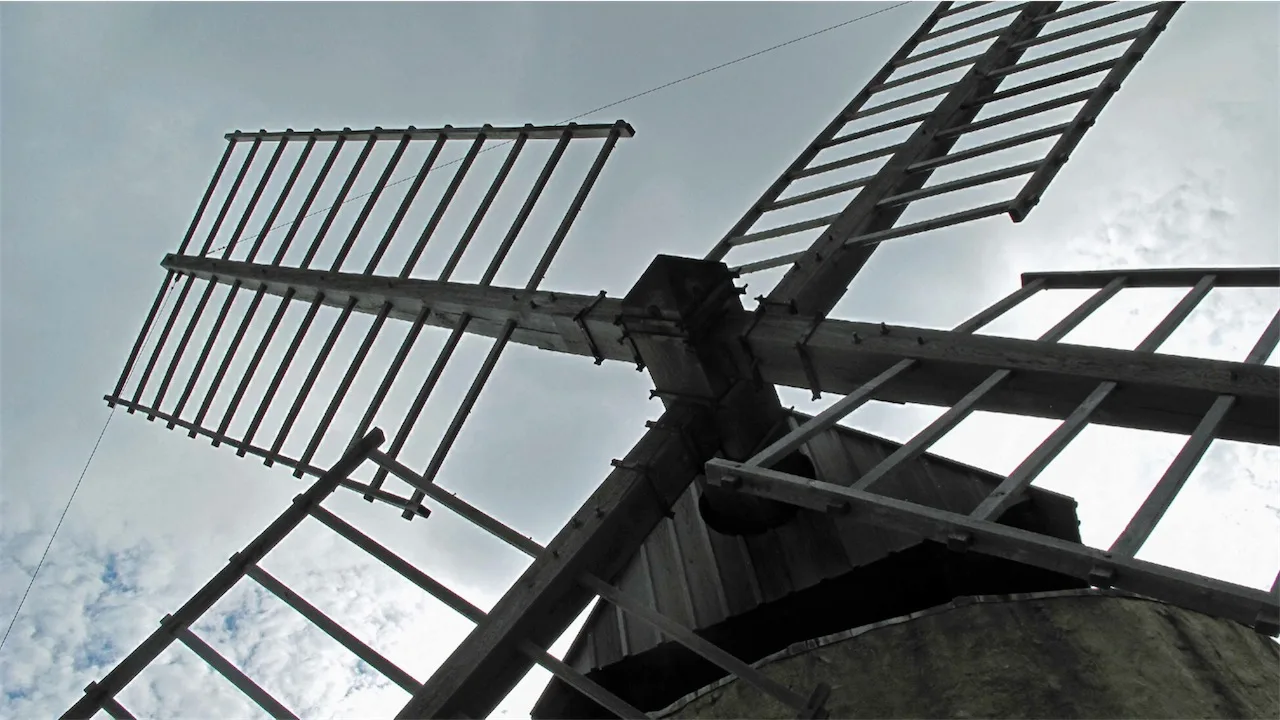
For dinner, the village's serious table is L'Écurie du Castellas, up on Chemin des Moulins de Paillas where the old windmills crown the hill. A hilltop terrace facing Pampelonne, Michelin-listed regional cooking, and — unusually for this coast — a kitchen that stays open year-round. Come in November and you get the whole thing at its calmest: the terrace catching the last light, the dining room unhurried, the peninsula's summer self a rumour.
One great lunch on the water
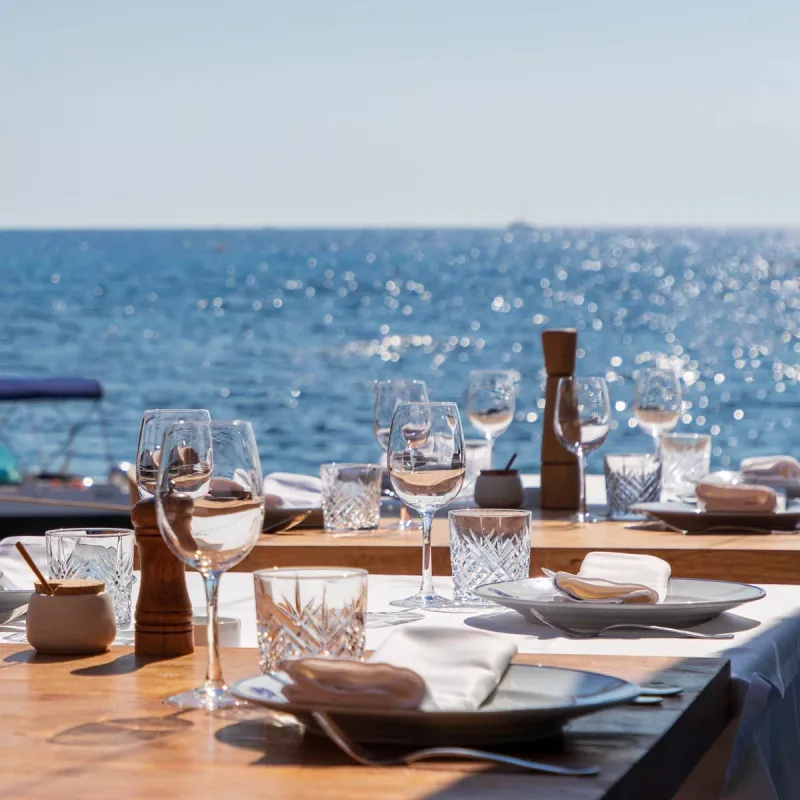
If you do a single thing on the coast that isn't a beach club, make it Chez Camille on the Bonne Terrasse cove, facing the Cap Camarat lighthouse. Wood-fired bouillabaisse has come out of this kitchen since 1930 — the Bérenguier family ran it for the better part of a century, and Bernard Uberti has held the line since 2018. This is the heritage answer to the question of what to eat by the sea here, and it asks something of you in return: reserve the bouillabaisse twenty-four hours ahead, because Uberti runs the order through the day. Plan it as a long weekday lunch and let the afternoon dissolve.
The Pampelonne afternoon
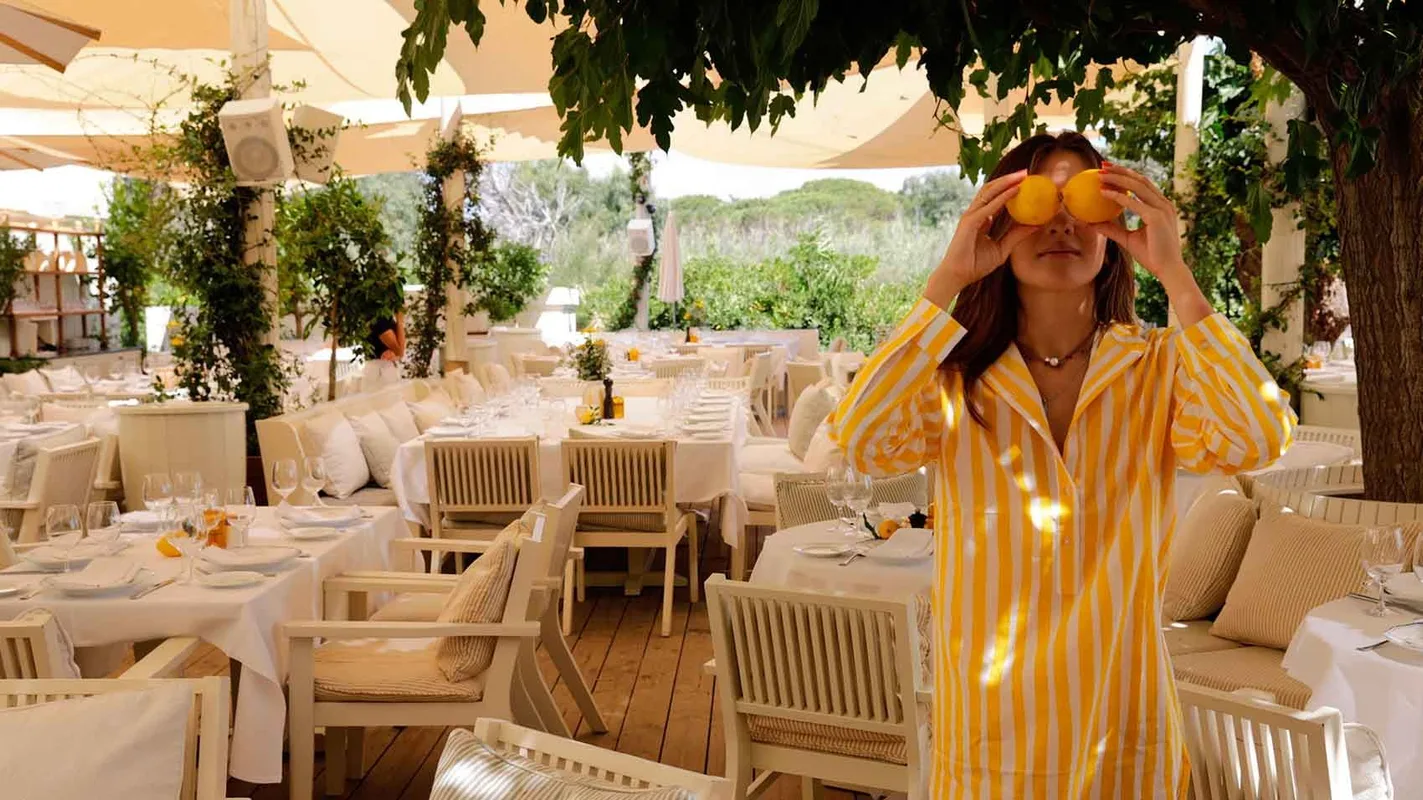
The southern sand carries every register of beach club the coast has invented. The contemporary one is Indie Beach, Indie Group's flagship house, where the afternoons are DJ-driven and the programming peaks between three and six — the post-millennial Pampelonne, polished and loud in the right way. A few hundred metres along, Loulou Ramatuelle brings the Paris Loulou Group's gilded art-of-living to the sand, open since 2019, with an Italian-Provençal kitchen and a Friday-lunch crowd that lands mid-July and stays through August. One correction worth carrying, since the internet muddles it: Loulou is its own establishment, not a rebrand of Plage des Jumeaux.
When to go
The peninsula has one true high season and it is loud. June and September are the window — the sea is warm, the clubs are running, and you can still get a village table on a Tuesday without negotiating. July and August belong to the crowd and the traffic; if you come then, stay on the hill and treat the beach as an early-morning or late-afternoon errand, never a midday one. The Festival de Ramatuelle brings theatre and music to the village in early August, which is the one moment the upper town outshines the sand. Off-season, much of the coast shutters — but L'Écurie stays lit, and a quiet village in October is a genuine secret.
Ramatuelle is Saint-Tropez with the volume turned down and the vineyards turned up. Come for the calm, stay for the light.