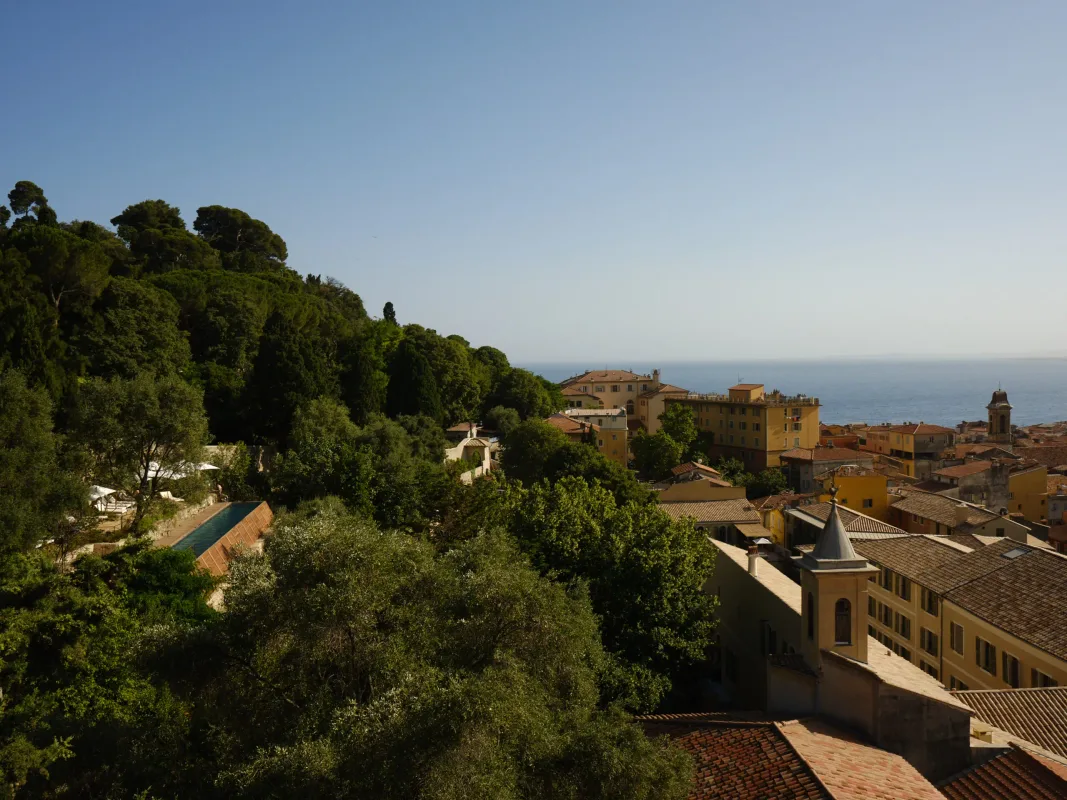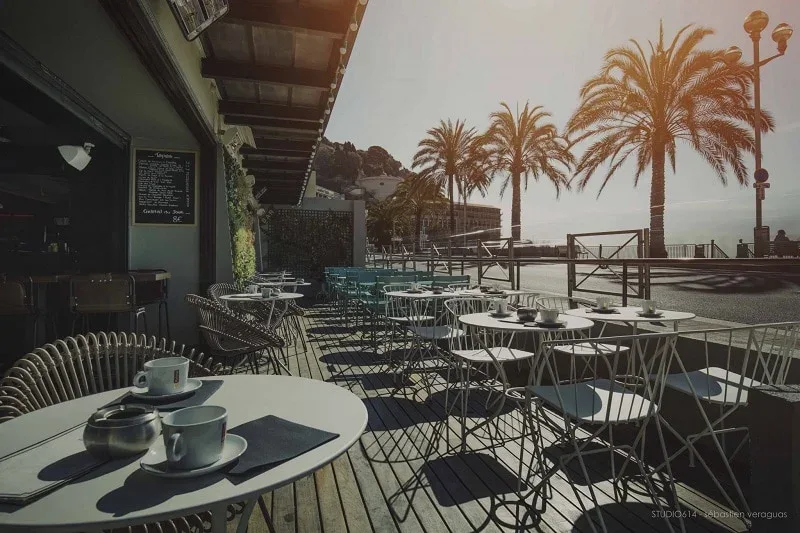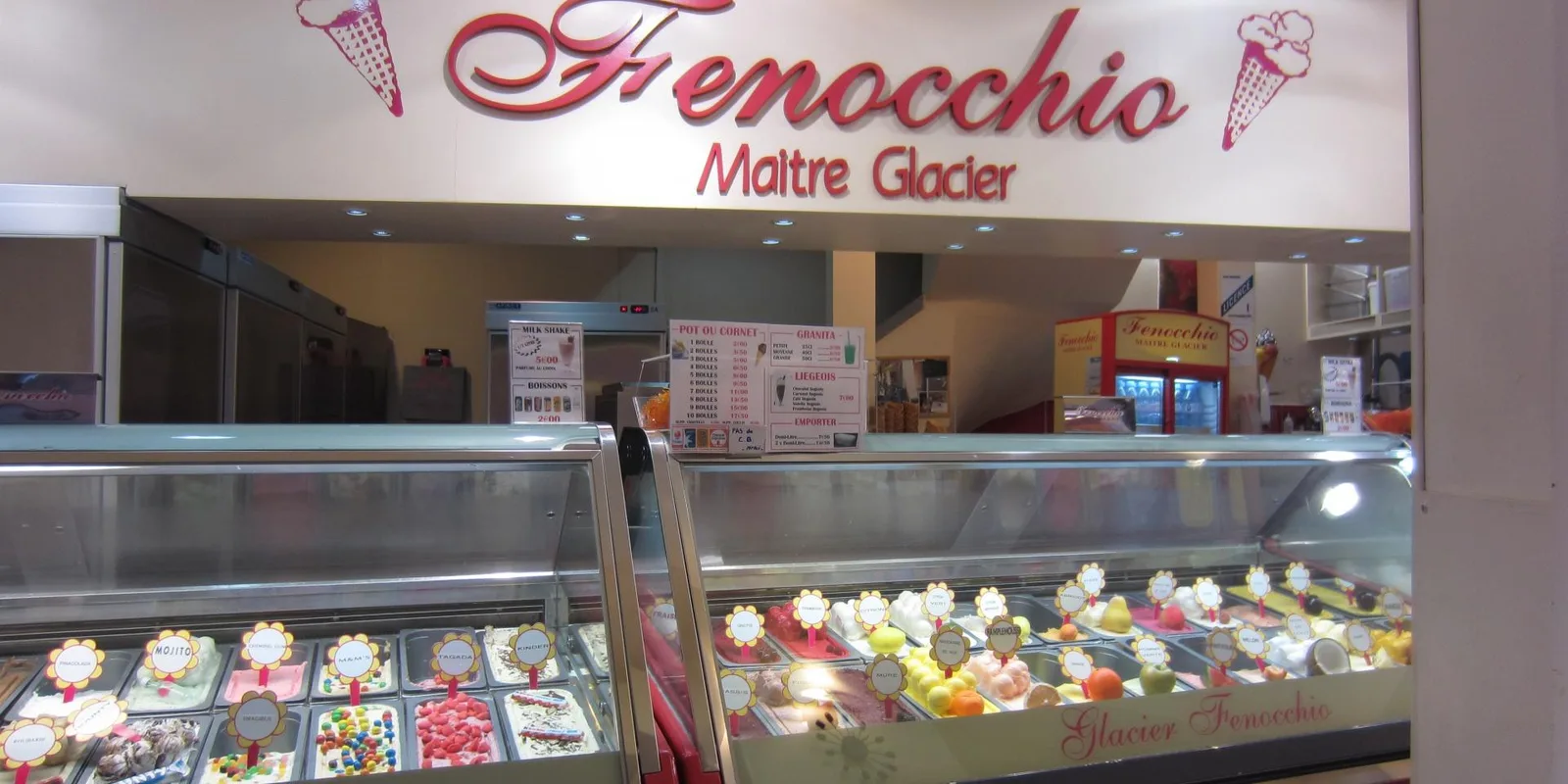
Nice is the Riviera's capital of everyday glamour — the city that carries two-Michelin ambition and a paper cone of socca with exactly the same shrug. Most visitors meet it from the Promenade des Anglais and never quite leave the seafront. The Nice that locals keep is one street back: in the ochre lanes of the Vieux Nice, on the rooftops at golden hour, and up in the hills where the light once turned Matisse loose.
Here is how SOF reads the city.
When to go
Nice is a year-round city, but it has a rhythm. May–June and September–October are the quiet-luxury window — warm sea, long light, terraces open, none of the August crush. July–August is the Riviera at full volume: glorious, expensive, and booked weeks ahead. February belongs to the Carnaval. And winter is underrated — the Cours Saleya market, a Negresco breakfast, the museums to yourself.
The neighbourhoods, briefly
- Vieux Nice — the old town: the Cours Saleya flower-and-produce market by morning, socca and aperitivo by night. Loud, alive, essential.
- The Port (Lympia) — antiques, natural-wine bars, and the quieter dinner tables locals actually book.
- Carré d'Or — the luxury quarter behind the Promenade: palace hotels, boutiques, grand cafés.
- Cimiez — the belle-époque hill of Roman ruins, the Matisse museum, and Nice's most serene mornings.
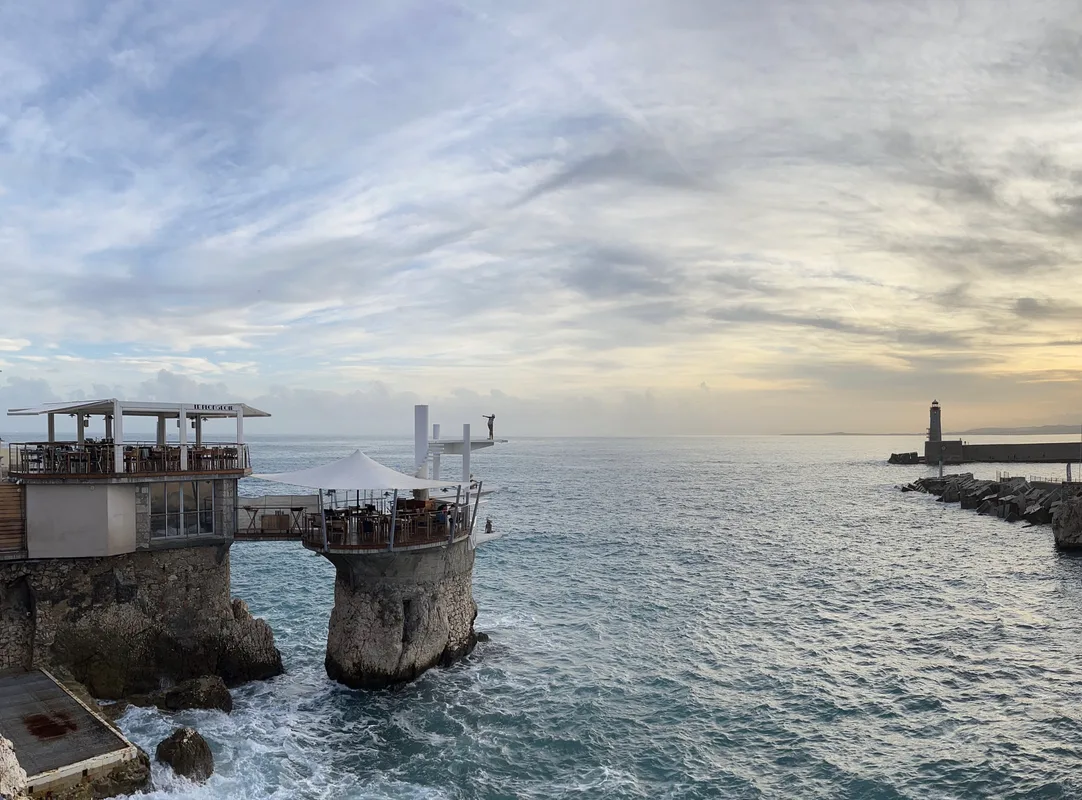
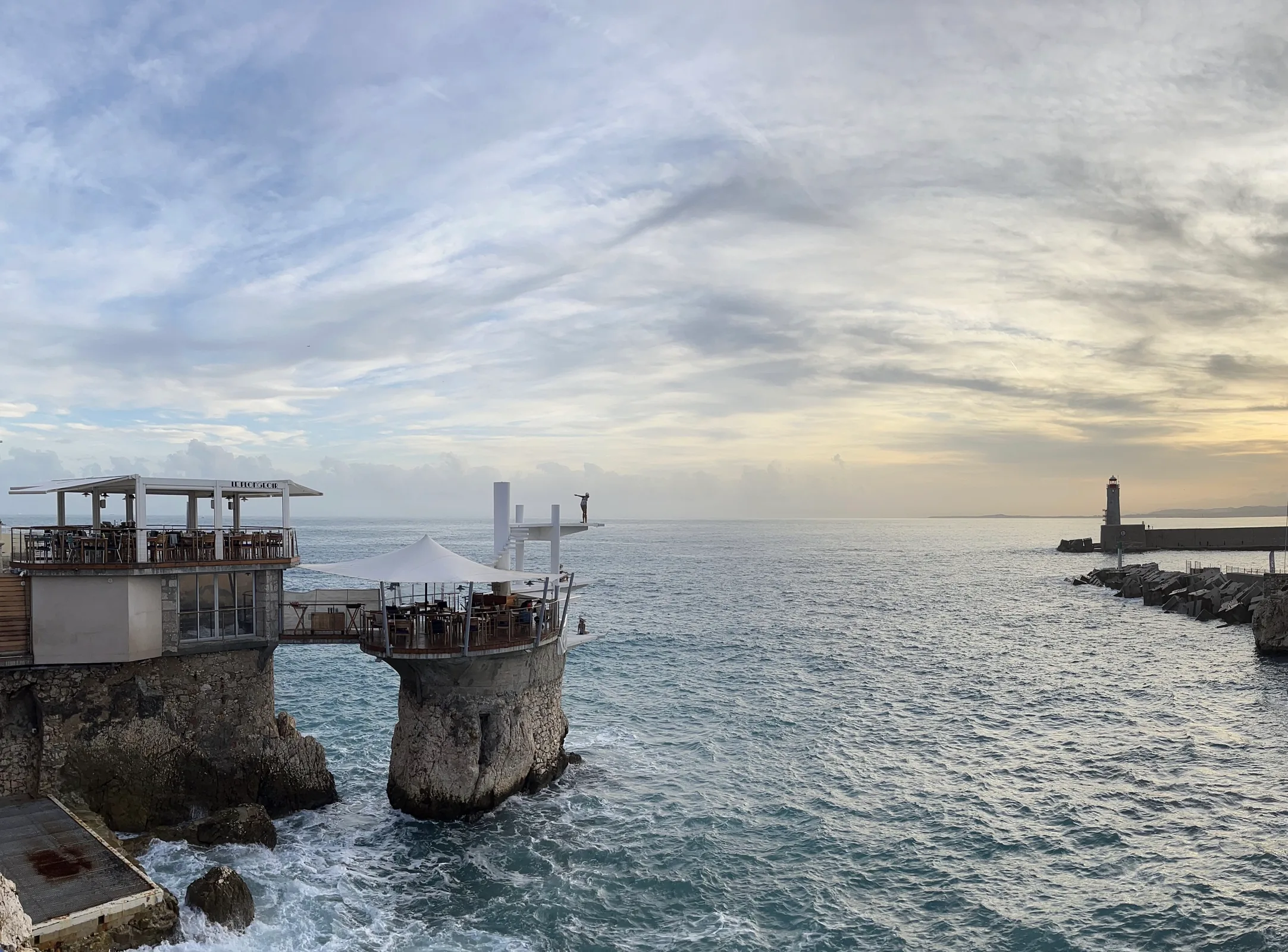
- Mont Boron — the headland east of the port, where the road bends to a single seafront table on the rocks.
A day, the SOF way
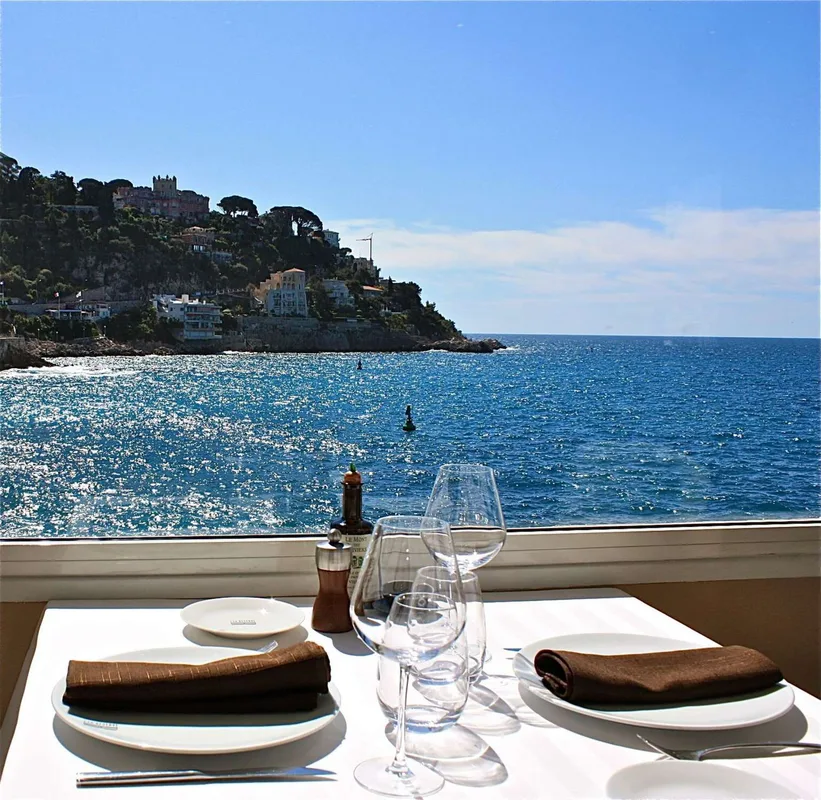
Start at the Cours Saleya before the heat, then a socca from the old town. Spend the bright hours up in Cimiez — the Musée Matisse, then the olive groves. As the afternoon softens, come back down for a swim and a long, late lunch on the water at Le Plongeoir, the seafood table perched on a diving-platform rock east of the port. Reset at the hotel, then take the apéro upstairs at a rooftop as the bay turns gold. Dinner runs late here; let it.
After dark
Nice doesn't roar so much as glow. The move is a rooftop apéro — a negroni above the rooftops while the sun drops behind the Baie des Anges — then a slow dinner and a nightcap in a Vieux Nice wine bar. Ask for a glass of chilled Bellet: Nice has its own appellation, grown on the hills behind the city, and almost nobody outside it knows.
What to know
- Getting around — the tram is fast, cheap, and reaches the old town, the port and the station; skip the car in the centre. From the airport, Tram Line 2 is in the city in about 25 minutes.
- Parking — the seafront garages fill in season; book ahead or use the park-and-ride at the tram termini.
- Reservations — the seafront and palace tables go days ahead in summer; the rest of the year a morning call is usually enough.
- The dress code — elegant-relaxed. Linen over labels. The beach clubs are the exception.
Nice rewards the traveller who slows down — who treats the Promenade as the doorway, not the destination, and walks one street in.