Le Cannet is the hill that Cannes forgets it has. Ten minutes up from the Croisette, the noise thins, the air cools, and the bay you came to the coast for finally holds still — seen from above, with no festival barrier in front of it. This is where Pierre Bonnard spent his last twenty-five years, painting that exact light: the rose of the evening sea, the green of the hills, the warm clutter of a south-facing room. The town has the world's first museum devoted to him, a handful of serious tables, and a panoramic square most Cannes regulars have never climbed to. It is Cannes' quieter, older, more painterly self.
Here is how SOF reads it.
The light Bonnard stayed for
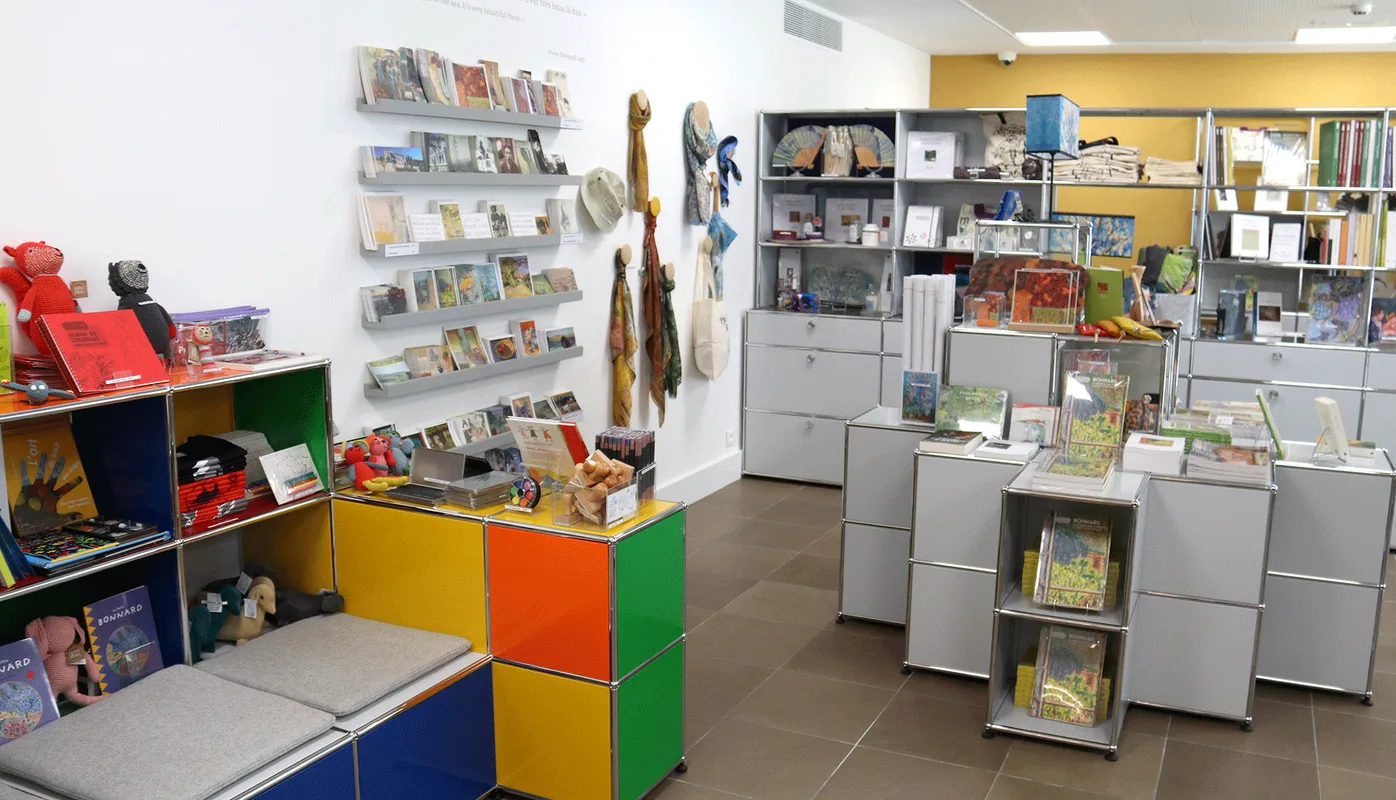
Start with the reason the town matters. Pierre Bonnard moved to Le Cannet in 1922 and lived here until his death in 1947, in a small villa called Le Bosquet, painting the bay and his garden in colours nobody believed until they saw the Mediterranean do it themselves. The Musée Bonnard on Boulevard Sadi Carnot is the world's first museum dedicated to him — a compact, beautifully judged collection rather than a blockbuster, open Tuesday to Sunday, ten to six, around five euros to enter. Go late in the afternoon, when the rooms are empty and the light outside has begun doing the thing the paintings are about. The boutique runs small museum-imprint editions of the prints; they sell out between exhibitions, and they are the one souvenir of Le Cannet worth carrying home.
What the museum tells you, the streets confirm. The Vieux Cannet is the village Bonnard walked — narrow, ochre, climbing — and it has changed less than almost anywhere this close to Cannes.
The view Cannes can't shoot of itself
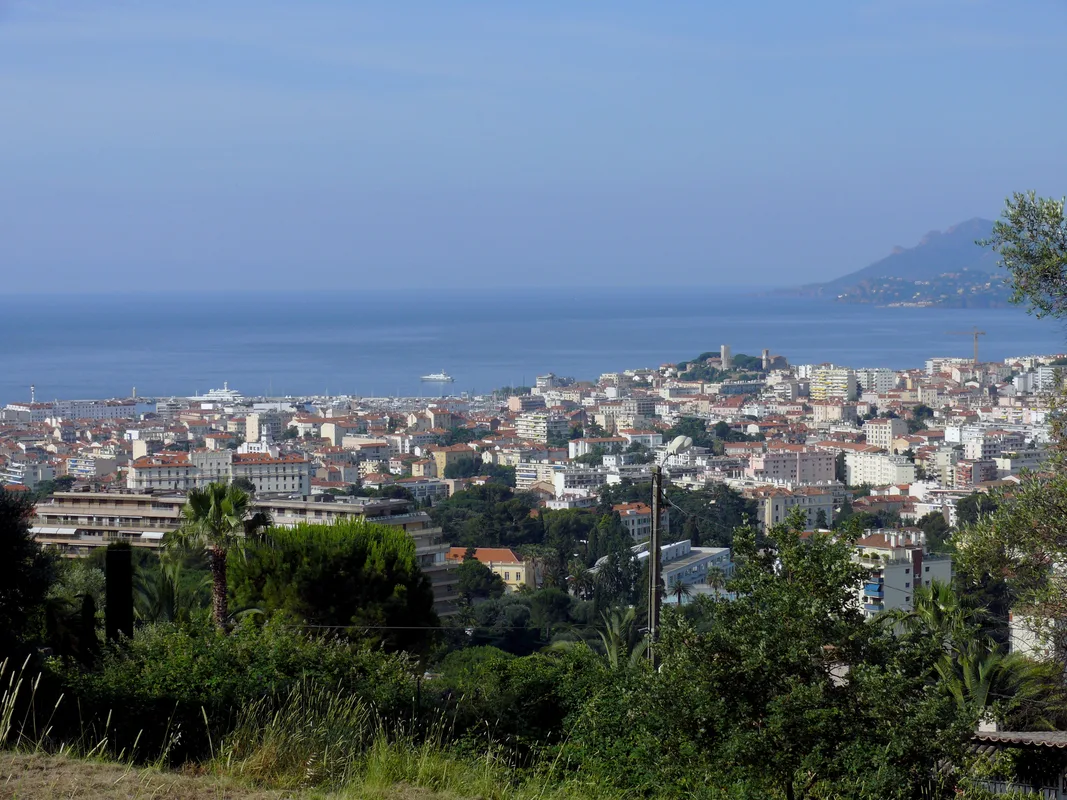
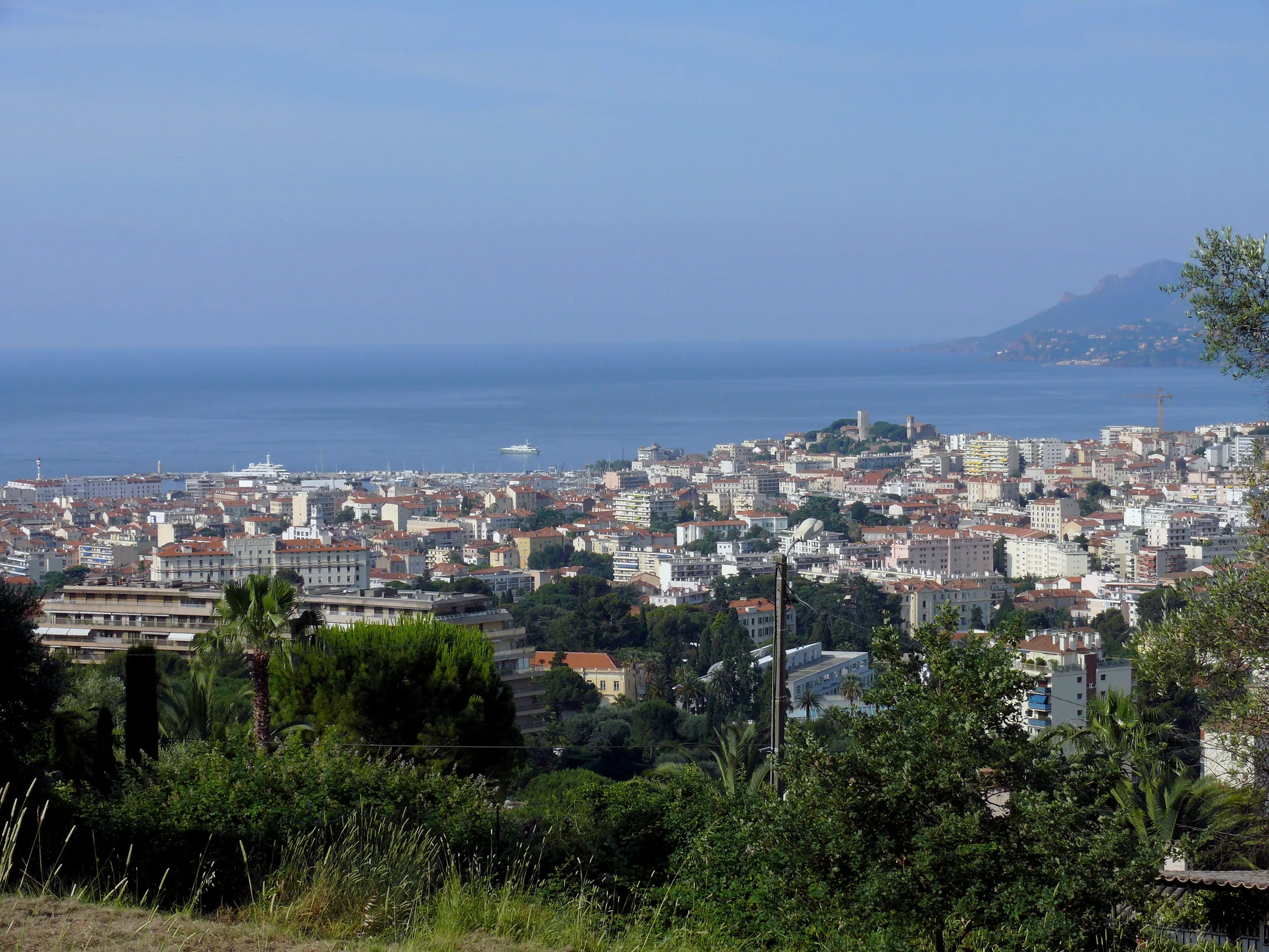
Walk up Avenue Victoria and you reach the postcard the Croisette can never take: the whole Bay of Cannes laid out below, the Lérins islands floating off the point, the festival palace reduced — from up here — to something almost discreet. It is a view, not a venue; there is nothing to book and nothing to buy. Climb it at golden hour, when the bay turns rose and the light goes long, and you understand exactly what kept a painter on this hill for a quarter-century. Weekday street parking is free and easy. The climb is short but real, so wear something you can walk in.
The Vieux Cannet table
For a town this small, Le Cannet eats remarkably well — and on its own terms, which are residential and unhurried, not Croisette.
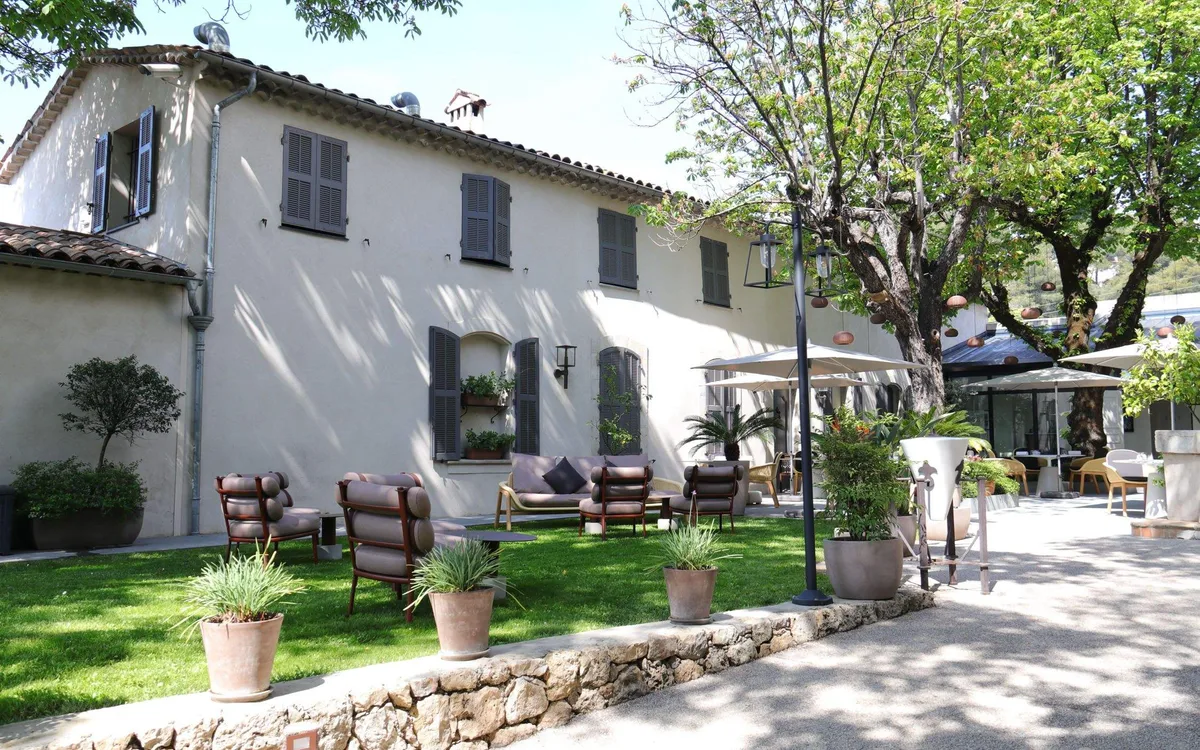
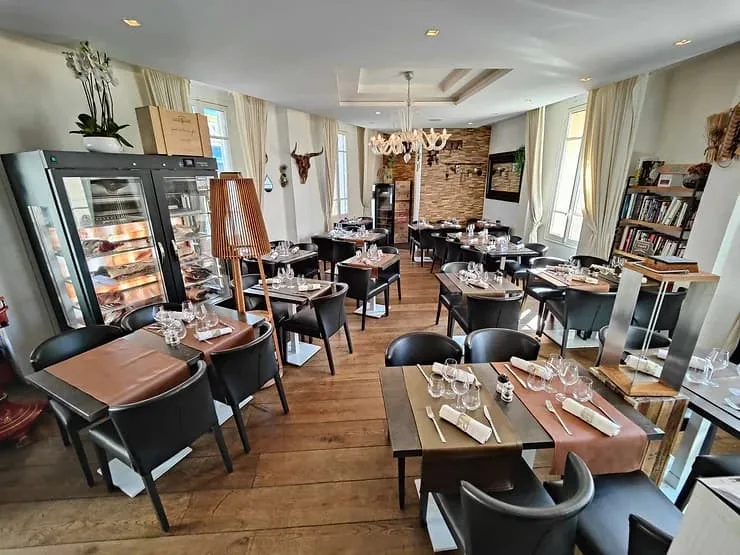
The anchor is Bistrot des Anges on Rue de l'Ouest: Bruno Oger's casual annex to his gastronomic table, a Bib Gourmand and Michelin-listed in its own right. This is the chef's relaxed register — the cooking is serious, the room is warm, and Oger himself often passes through on his way to the gastronomic kitchen next door. Book a few days ahead in season, and confirm whether they're open on a Monday before you climb. A Friday lunch here is one of the best-value serious meals on the whole hill.
A few streets over, in the old village, Bistrot Saint-Sauveur plays a tighter, quieter game. Run by Manon Pertuisot in the kitchen and Jason Cottin on the floor, it's a bistrot built around its wine pairings — ask Cottin to walk you through what's open by the glass and let the bottle lead. It's the dinner you book when you want the village register without the marquee name.
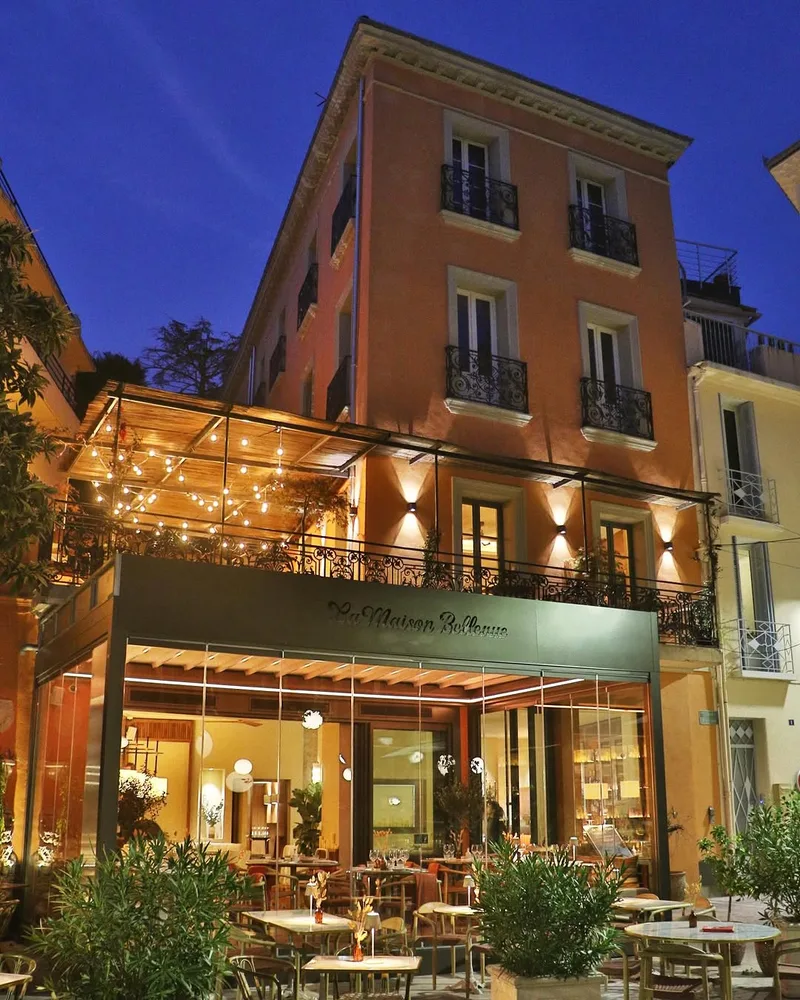
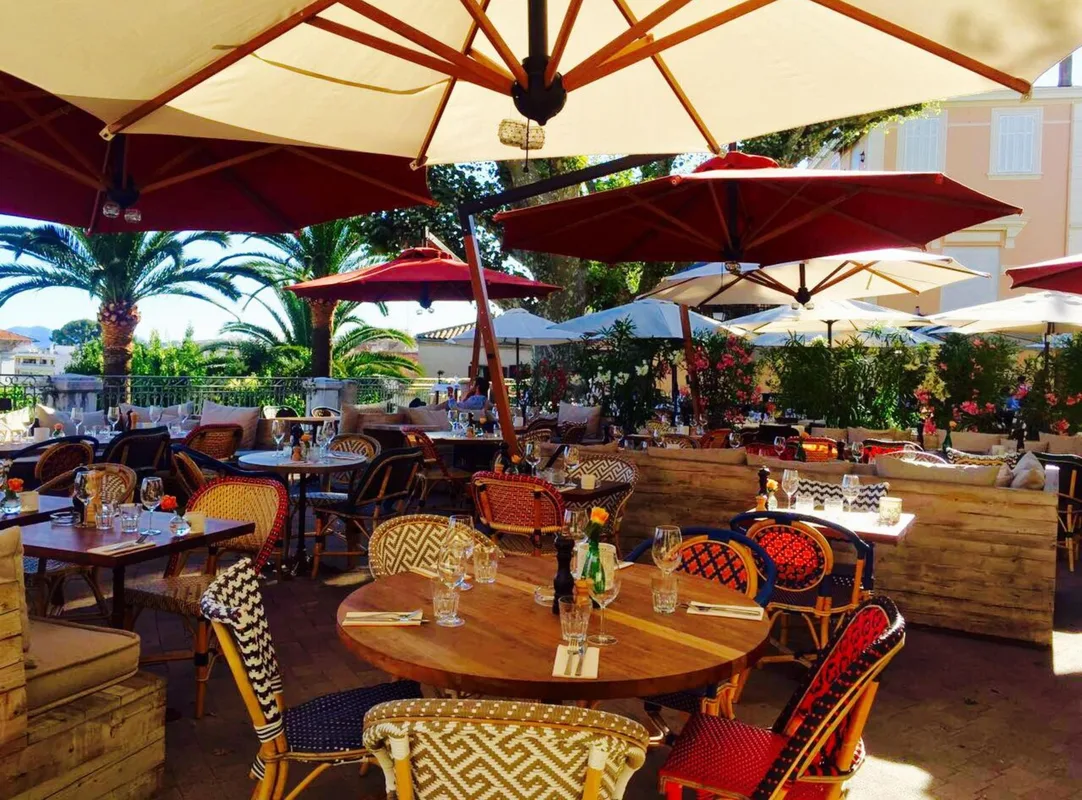
And on Place Bellevue, the panoramic square at the top of the Vieux Cannet, two more addresses make the case for eating where the view is the dining room. L'Atelier Joseph is the smaller village table on the square — a weekday lunch on its terrace, with the Bay of Cannes opening below, is the kind of thing you remember longer than the dish. Next to it, La Maison Bellevue — also known as Le Café de la Place — holds the plane-tree terrace and the town's coffee-and-apéro rhythm. A morning espresso at nine, before the Cannes traffic builds in the valley, then the same terrace at sundown with the lights coming on below: that's the day, bracketed.
A day, the SOF way
Begin on Place Bellevue with a coffee at La Maison Bellevue while the square still holds the cool air. Walk the Vieux Cannet's lanes down toward the Musée Bonnard — though the museum is at its best later, so don't rush; let the morning be the village. Come back up the hill for a long, unhurried lunch at Bistrot des Anges — the Oger register, residential and generous. Spend the soft middle of the afternoon at the Musée Bonnard proper, then climb Avenue Victoria as the light starts to go and watch the bay turn the colour the paintings warned you about. Apéro back on Place Bellevue. If you want the late, loud end of the night, Cannes is ten minutes downhill — but the hill's own pleasure is that it lets you stop.
What to know
- Getting there — Le Cannet sits roughly two kilometres north of Cannes, a ten-minute drive up from the Croisette, or a short hop on the bus or tram from Cannes centre. Most people pair it with Cannes rather than basing here.
- No shoreline — this is the hill, not the coast. There is no beach; for sand and beach clubs you go back down to the Croisette. Come to Le Cannet for the view, the painter and the table.
- Parking — street parking in the Vieux Cannet and on Place Bellevue, free on weekdays; the museum has public parking a three-minute walk away.
- Reservations — Bistrot des Anges and the village tables take a few days ahead in season; La Maison Bellevue is a walk-in. Check Mondays before you climb.
Le Cannet rewards the traveller who treats Cannes as the doorway and keeps walking uphill — into the cooler air, the older streets, and the light a painter refused to leave.