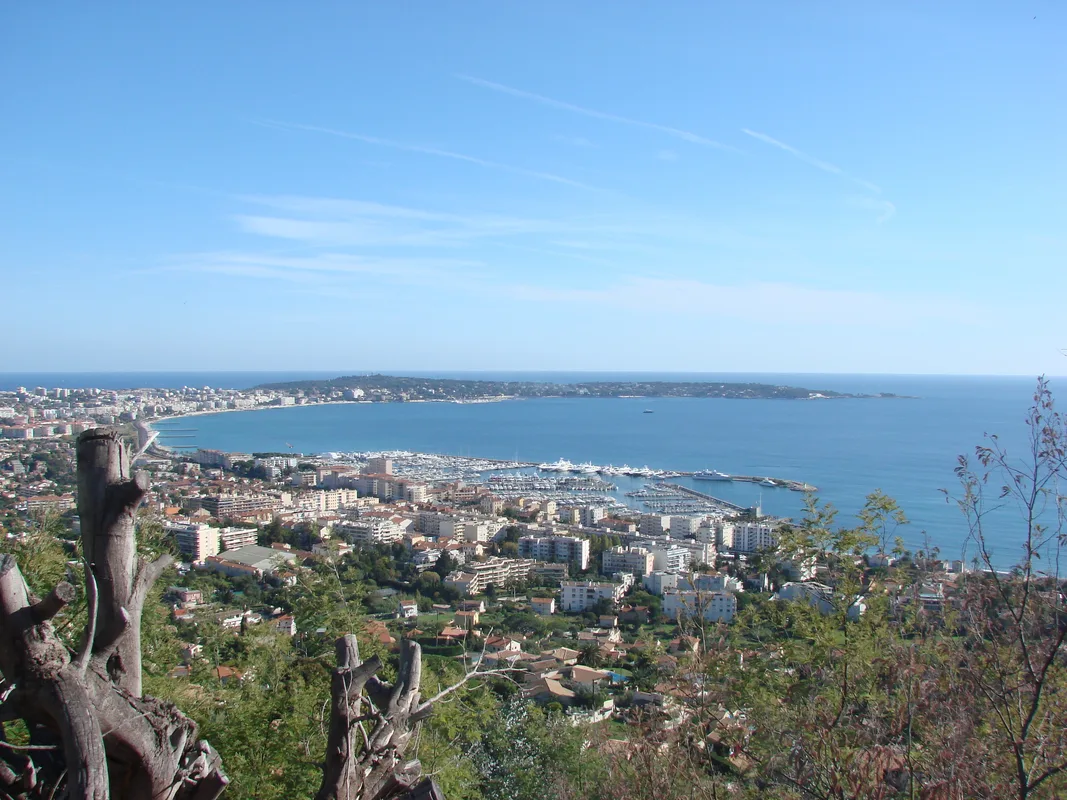
Golfe-Juan is the Riviera town most people pass through on the way to somewhere louder. Cannes is five kilometres west; Juan-les-Pins begins almost where Golfe-Juan ends, a continuous run of coast road and palm. And so the gulf gets read as a stretch of road rather than a place. That is the mistake. Golfe-Juan is a working harbour — fishing boats, the sailing school, the chandlery rhythm of a port that still does a job — set on a south-facing bay that catches the morning sun before anywhere else on this coast. Napoleon chose it for a reason. So did the potters in the hills above. Here is how SOF reads it.
The morning belongs to the water
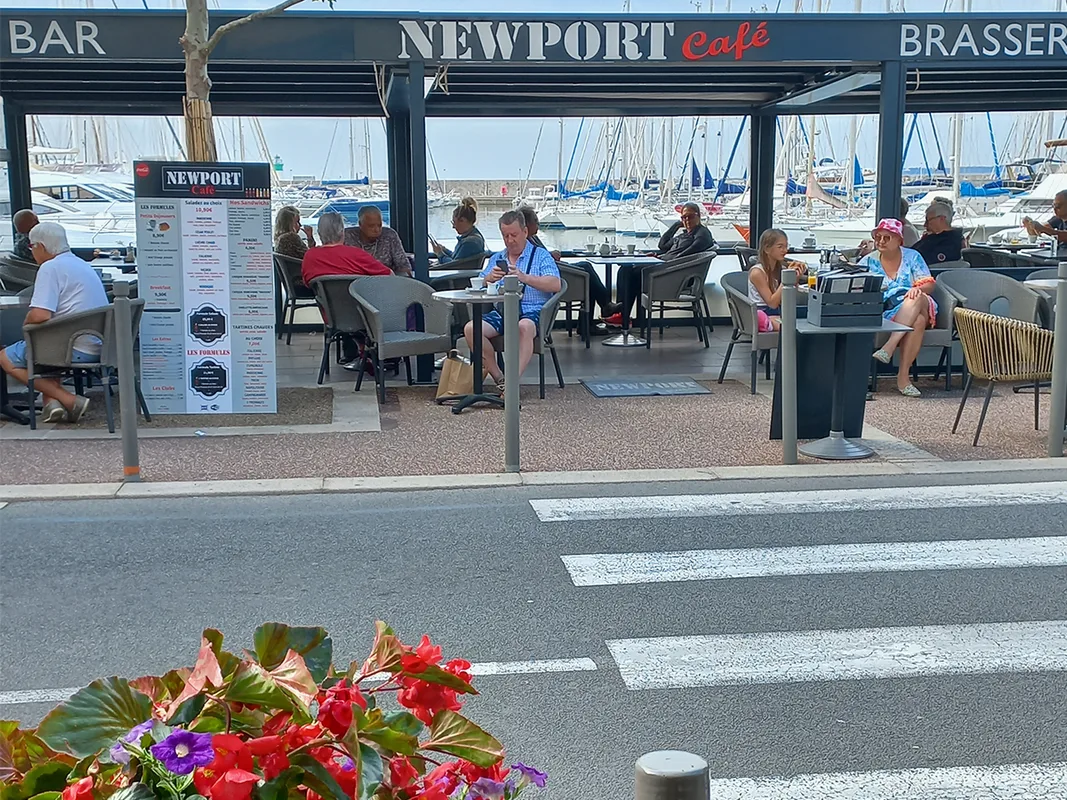
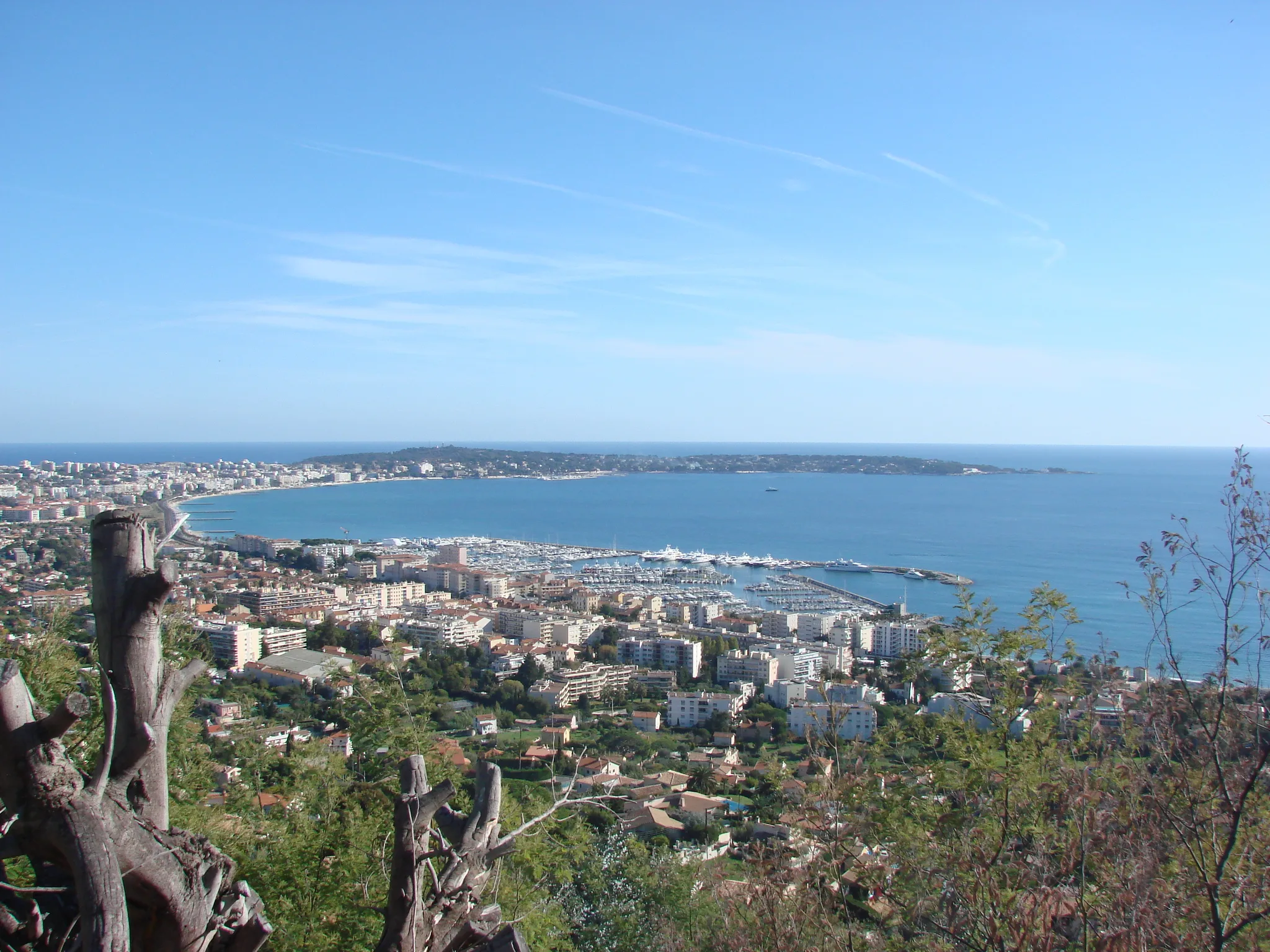
The defining fact of Golfe-Juan is geometry. The gulf opens south-east, between the Cap d'Antibes and the Îles de Lérins, which means the sun arrives early and the water is calm long after the rest of the Riviera has caught the breeze. The harbour wakes slowly. The first move is coffee at the Newport Café, on Avenue des Frères Roustan facing the Old Port — a sea-facing terrace where breakfast runs into the late morning and the boats come and go in front of you. It is the town's anchor, the room everyone passes through: coffee and a tartine early, a pan-bagnat at midday, and the same terrace turning to cocktails and ice cream as the light drops.
For the family register — a cone, a crêpe, an hour that goes nowhere — La Chancla sits a few doors along the same port road. It is a Breton crêperie that doubles as a glacier, and on a hot afternoon it is exactly the right amount of effort.
Napoleon landed here
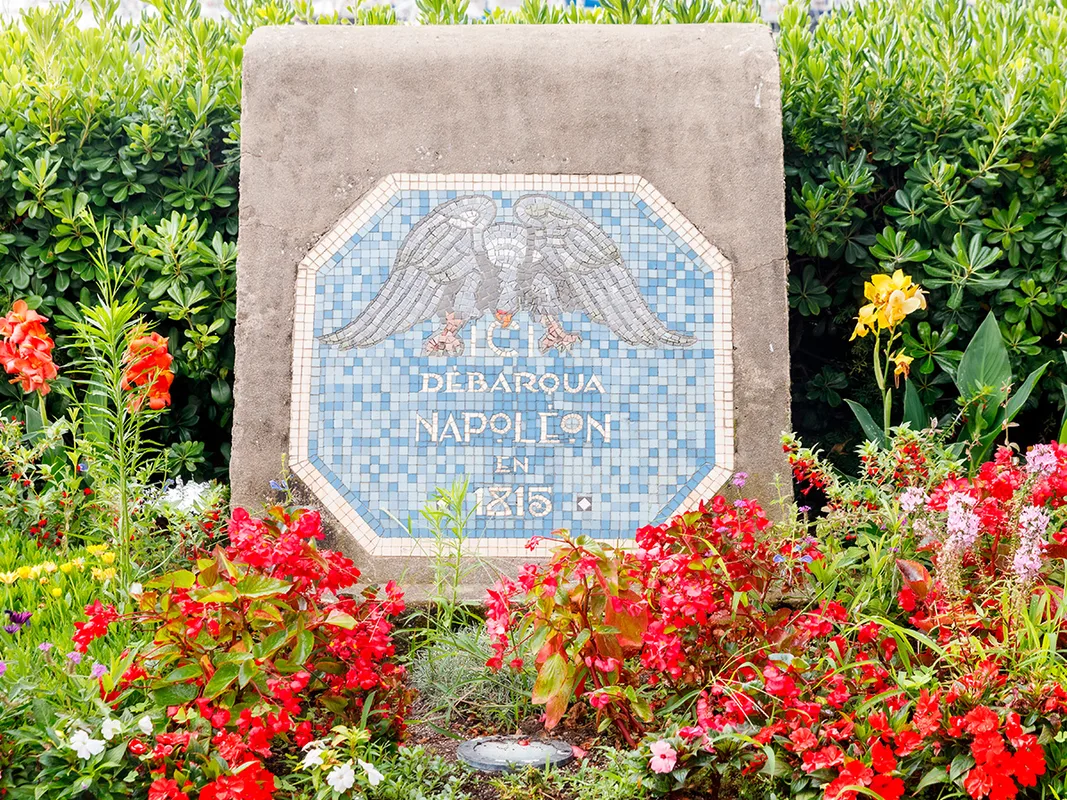
On 1 March 1815, Napoleon stepped ashore at Golfe-Juan with around a thousand men, having slipped away from Elba. From this beach he began the march north toward Grenoble and Paris — the road that became the Route Napoléon, and the hundred days that ended at Waterloo. The stele at the Port de Golfe-Juan marks the spot. It is not a grand monument; it is a quiet marker by the water, and that restraint is the point. Stand there at ten in the morning, with the fishing boats behind you and the open gulf in front, and the scale of what started on this ordinary beach lands harder than any plinth could manage. It is the most consequential five minutes in town, and almost nobody gives it more than a glance.
The beach is one beach, three ways
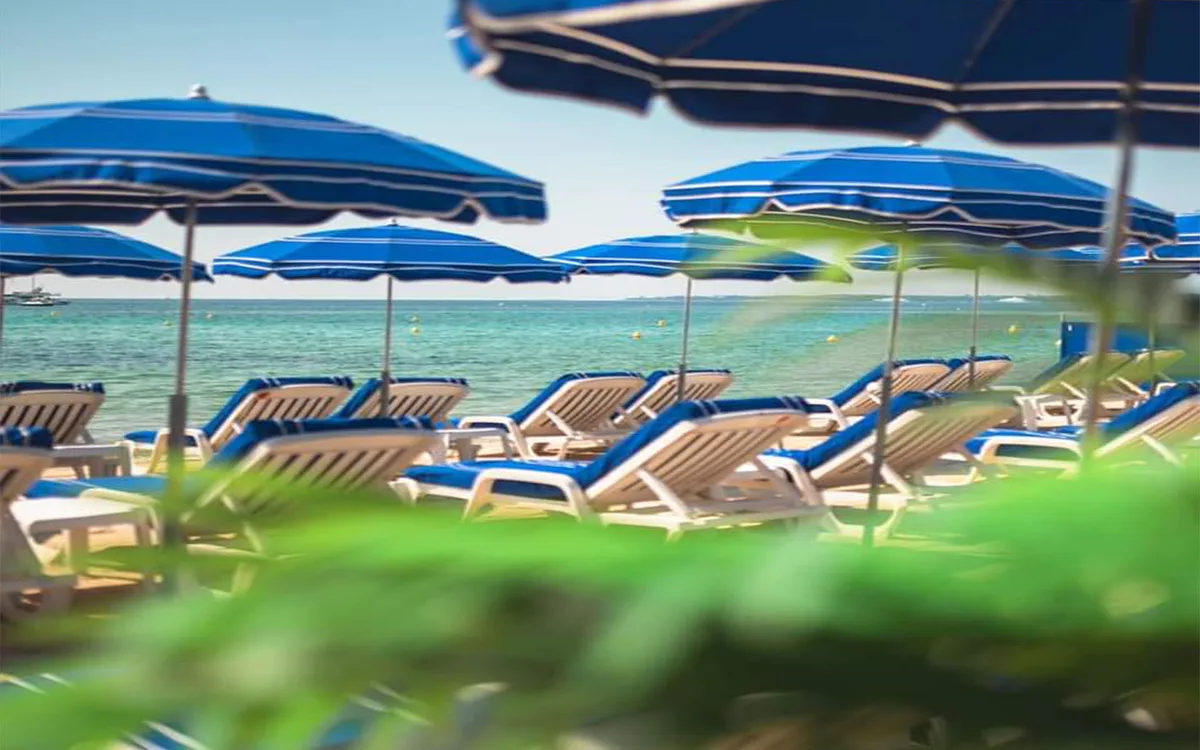
Golfe-Juan's sand is Plage Pablo Picasso — long renamed from the Plage du Soleil, the sun beach, which tells you what the locals always knew about this stretch. The private clubs line up along it, and the trick is reading them by mood rather than picking the nearest gate.
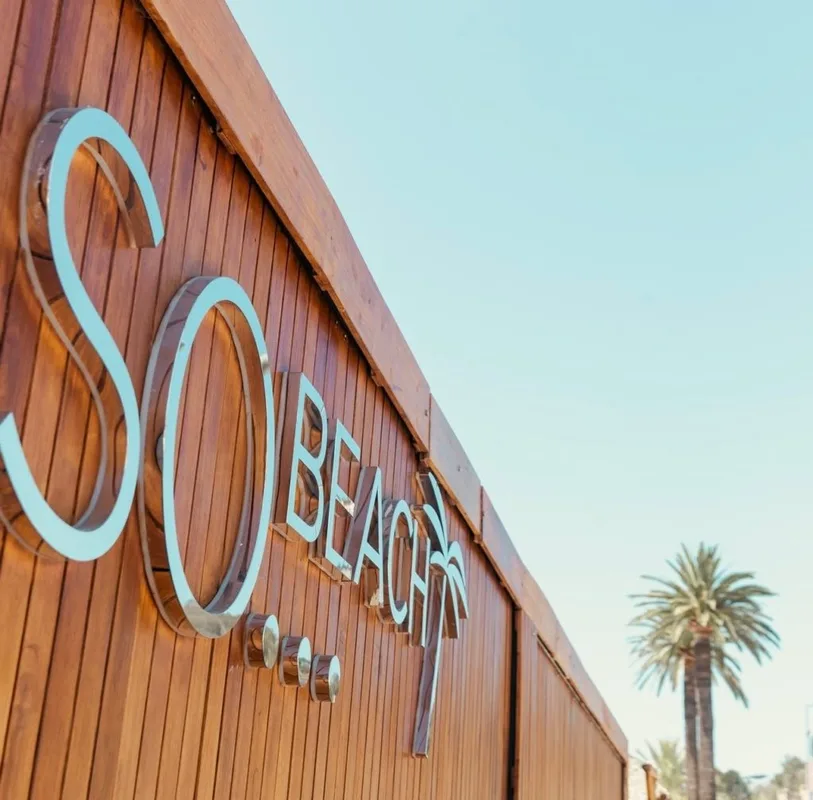
- So Beach is the programmed one — the most-booked club on the bay, with a concert calendar and theme nights through July and August. Come here when you want the day to have a soundtrack and the apéro to turn into something.
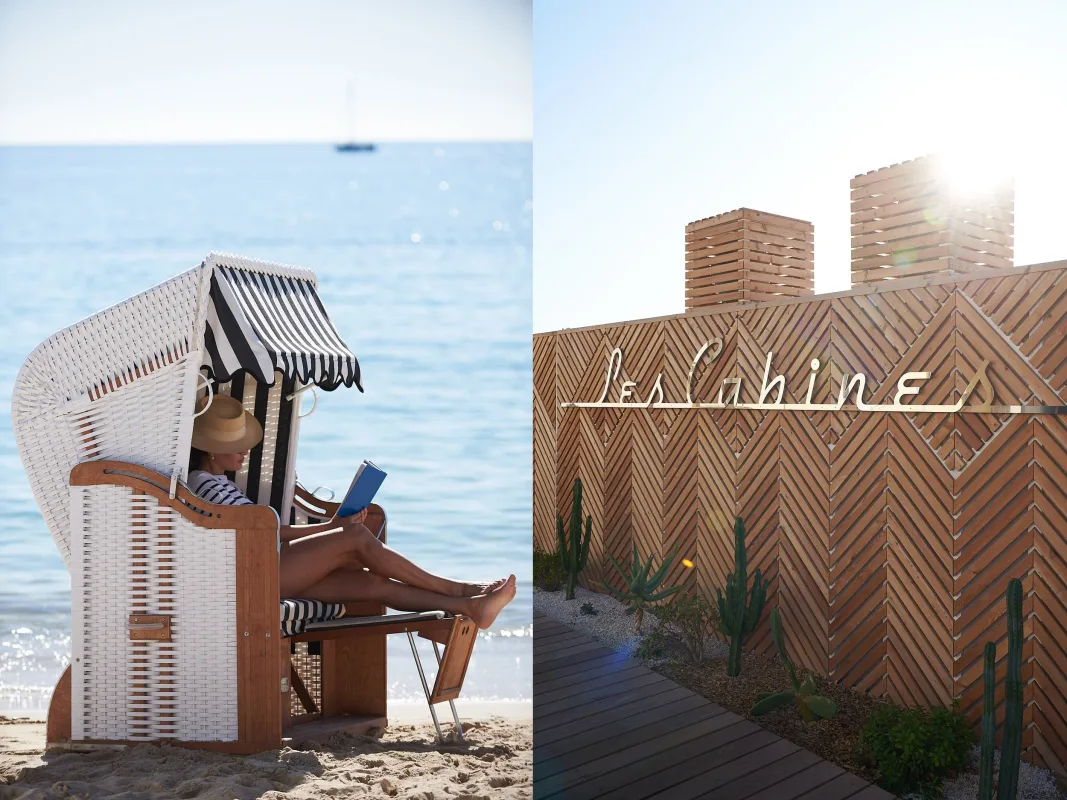
- Les Cabines is the polished register — the private-beach lunch done properly, mattresses in order, the service crisp. This is the long, unhurried lunch with your feet near the water.
- Pascalin Plage is the family operation, sixty years on the same sand, and it carries a particular kind of authority that newer clubs spend money trying to fake.
You do not need to choose in advance. Walk the front, read the room, sit where the register fits the hour. A note for the nostalgic: the legendary Tétou, the bouillabaisse temple that defined lunch on this beach from 1948, is closed and gone — demolished. Its slot is not coming back, and no one has truly replaced it. Eat well here, but eat without that ghost.
Up the hill, the clay
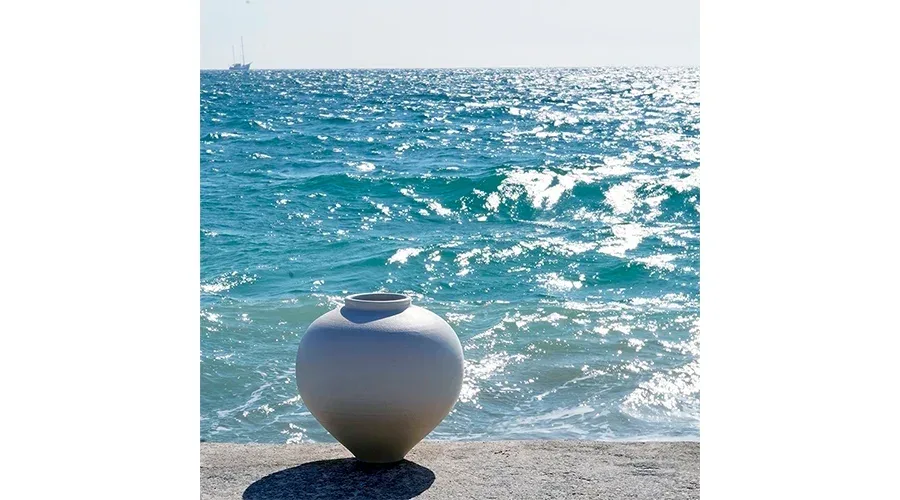
Six minutes by car above the port is Vallauris — the same commune as Golfe-Juan, and one of the most important ceramic towns in Europe. Picasso settled here after the war and spent years at the Madoura workshop, and the town has thrown pots ever since. The Atelier Madoura itself is closed until spring 2027 for a major restoration, so the living face of the tradition is the Galerie Aqui Siam Ben on Place Lisnard, in the old town. It is the sales gallery of A.I.R. Vallauris, the artists-in-residence programme — unique and limited pieces from international ceramicists working in the town now. This is where the take-home comes from. Not a fridge magnet; a Vallauris piece, carried forward from the Picasso era by the people making it today. Go in the afternoon, when the port has done its work and the hill is in shade.
What to know
- Where it sits — Golfe-Juan is a halfway point: five kilometres east of Cannes, and effectively joined to Juan-les-Pins, 1.5 kilometres east along the same coast road. You can walk to Juan-les-Pins; you would drive to Cannes.
- After dark — the gulf is a daytime and golden-hour place. The beach clubs wind down before midnight and the port quiets early. When the night wants to keep going, it migrates east to Juan-les-Pins — Pam Pam, the tiki institution on Boulevard Wilson, has been the area's late anchor since the 1950s.
- Getting around — the coast railway stops at Golfe-Juan, which makes Cannes, Antibes and Nice easy without the car. Parking by the port fills in season; arrive early or take the train.
- The rhythm — this is a town to slow into, not conquer. A morning on the water, the stele, a long lunch on the Picasso sand, the clay in the afternoon. That is a full day, and a good one.
Golfe-Juan rewards the traveller who stops instead of passing — who lets a working harbour and a sun-first gulf set the pace.