Beaulieu-sur-Mer is the Riviera caught holding its breath. Between the operatic harbour of Villefranche and the discretion of Cap-Ferrat, it sits on a bay called the Baie des Fourmis and behaves as if the twentieth century is something that happens elsewhere. The Belle Époque came here to convalesce — railway barons, English wintering aristocracy, a Hellenist scholar who built himself an Athenian villa — and then, unusually for this coast, it stayed. There is no spectacle to perform here, no harbourside catwalk. What Beaulieu has is light, a microclimate that keeps it the warmest town on the Côte d'Azur in the cold months, and the kind of quiet that money used to buy without announcing itself. The locals are called Berlugans, the palms are taller than the buildings, and the loudest thing most evenings is the rigging on the small marina.
The two anchors
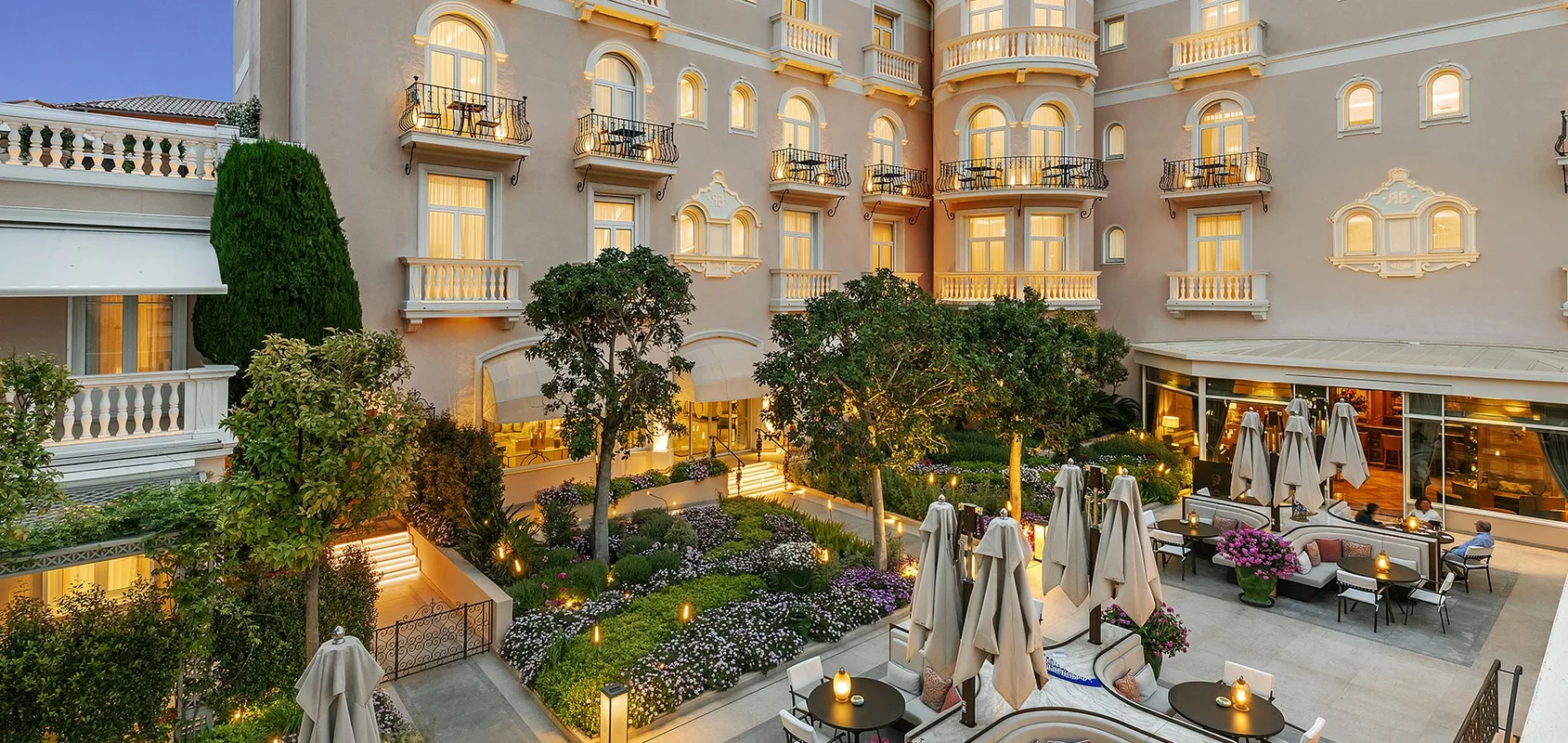
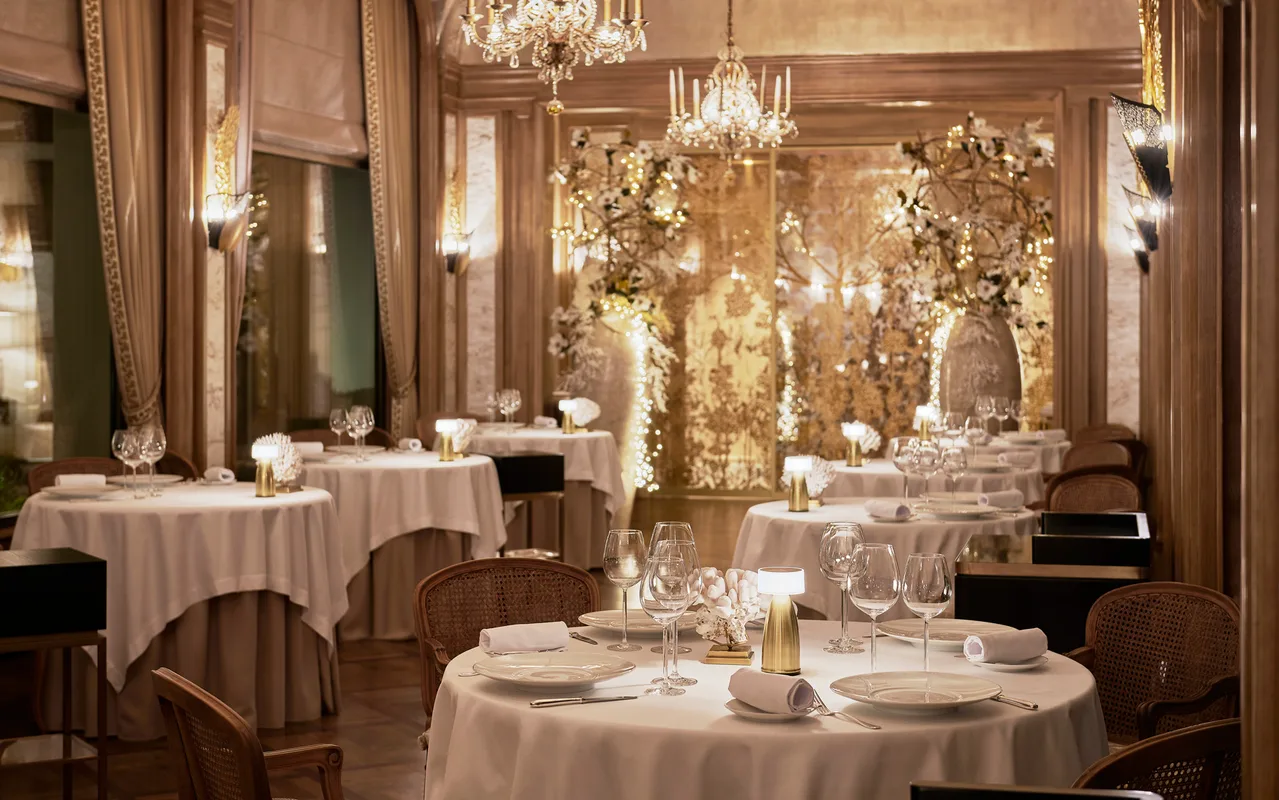
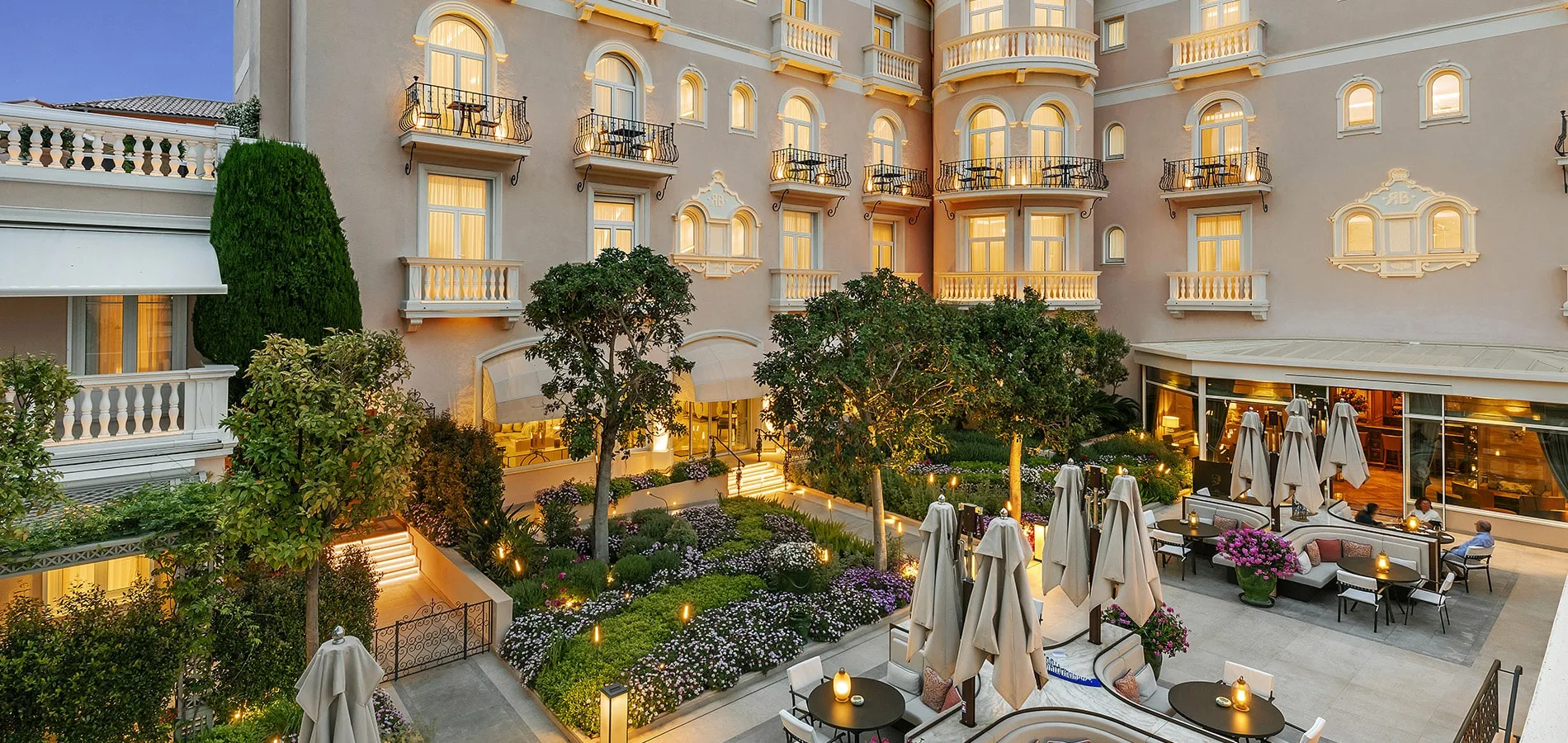
Beaulieu turns on two addresses, and they could not be less alike. The first is La Réserve de Beaulieu, the Belle Époque palace the Petit family built in the 1880s and have run as a hôtel-restaurant ever since. The terrace looks straight into the Baie des Fourmis; the pool sits at sea level; the service is the unhurried kind only old houses master. Its dining room, Le Restaurant des Rois, holds one Michelin star under Chef Julien Roucheteau, who carries the Meilleur Ouvrier de France title — a classical kitchen suspended over the water, open spring through mid-October. This is the long lunch Beaulieu was built for. Request a seaward window when you book; they go first.
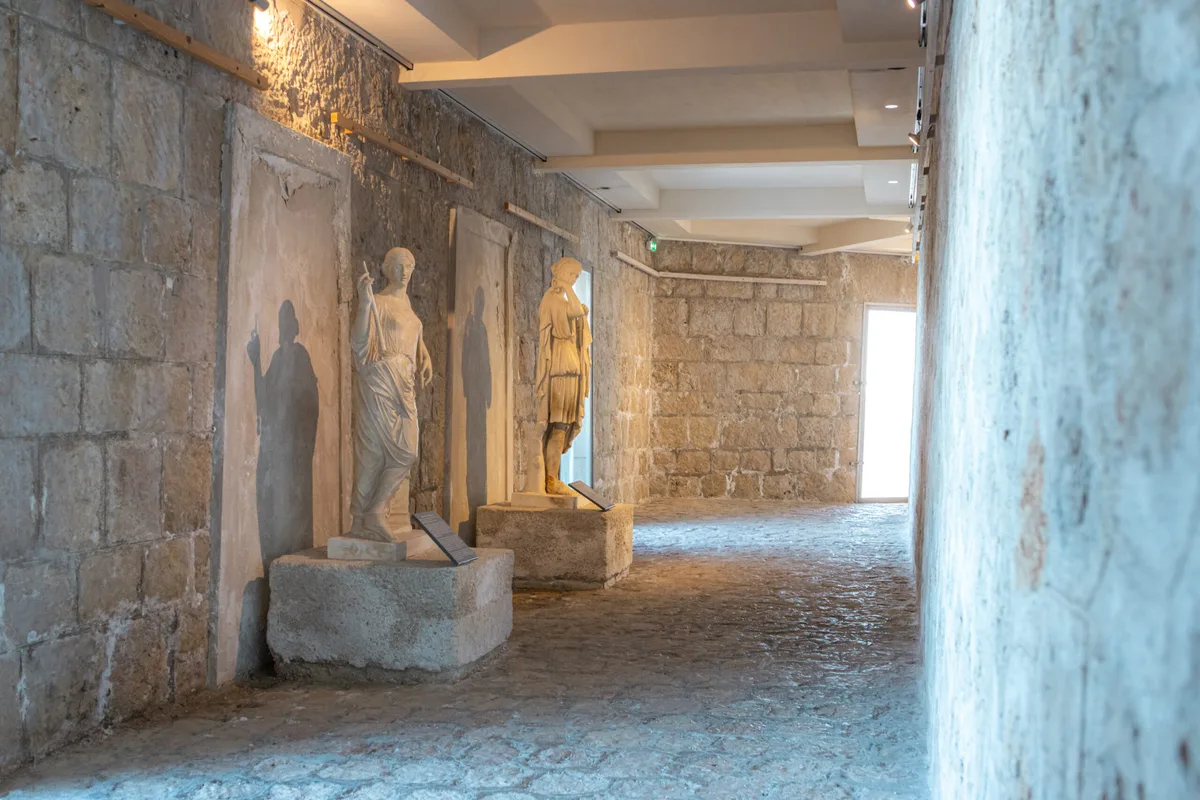
The second anchor is older by two millennia in spirit and younger by twenty years in stone. Villa Kérylos, on the rocky Pointe des Fourmis, is the 1908 fantasy of the archaeologist Théodore Reinach, who commissioned the architect Emmanuel Pontremoli to reconstruct a wealthy Athenian's house down to the mosaics, the peristyle, the marble. It is not a folly. It is a scholar's argument made habitable, and it still reads at domestic scale, which is the uncanny part — you keep expecting someone to live here. Go at ten, when the morning light comes through the seaward columns and lands on the peristyle floor. The Boutique du Patrimoine on the ground floor is also, quietly, the only souvenir in Beaulieu worth carrying home.
Petite Afrique
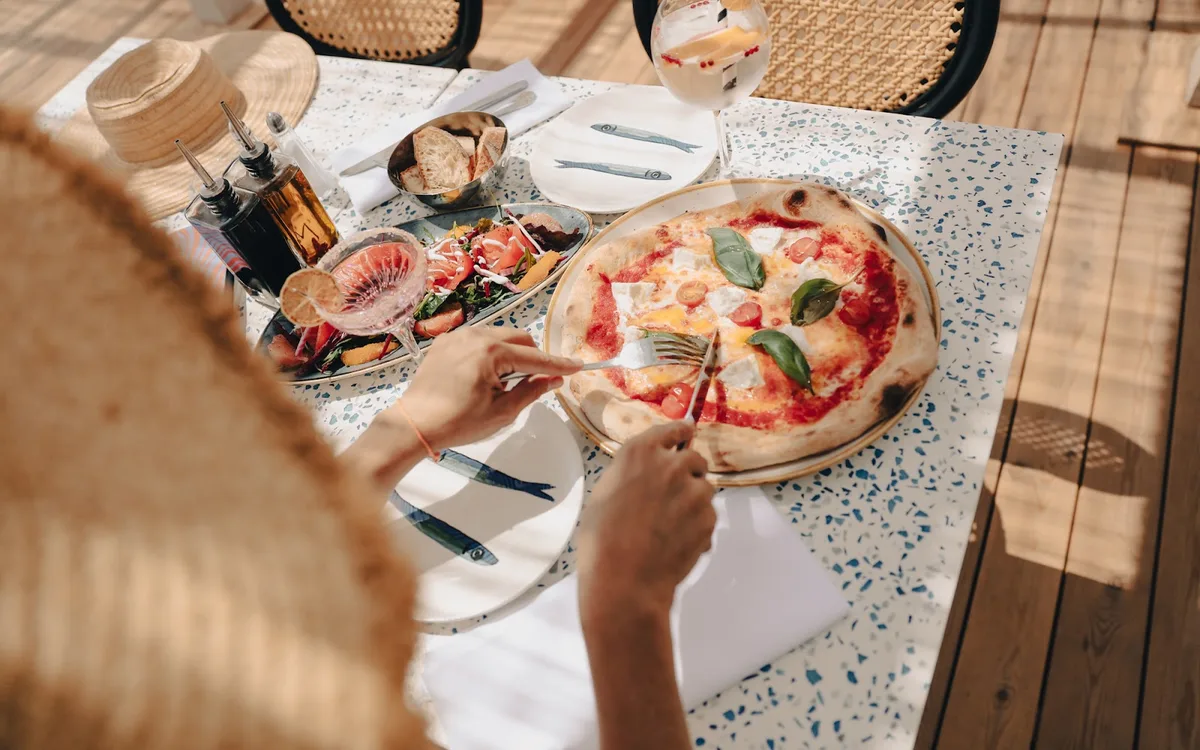
There is exactly one real beach, and it is named, without irony, the Plage de la Petite Afrique — Little Africa — because the headland shelters it into a pocket of warmth that holds when the rest of the coast has turned. This is the Beaulieu detail people repeat: April and October here catch the warmest sun on the Riviera, and the beach clubs know it. Baïa Bella is the family register — wood-fired Mediterranean cooking, transats, tender service, the bay laid out under parasols. La Javanaise shares the same sand with a different temperament: design-forward, cocktail-led, the kitchen overseen by Jean-Philippe Blondet, who came from Alain Ducasse at the Dorchester in London. Same sea, two moods. Take Baïa Bella for the long shoulder-season lunch and La Javanaise for the sundowner, and you will have read the beach correctly.
A day, the SOF way
Start on Boulevard Marinoni, the village spine, with a café crème at Café Le Beaulieu — the de-facto morning terrace, where the village reads itself before the shutters fully open. If it is Saturday, the Marché provençal is two minutes away on Place Marinoni: olive oil, savon de Marseille, Provençal textiles, and on the first Sunday of the month a separate, quieter Italian market most visitors miss entirely. Buy a slice of pissaladière at the Boulange de Beaulieu and pocket it.
Spend the late morning at Villa Kérylos, then walk it off. The Promenade Maurice Rouvier is the move every Berlugan makes without thinking — a palm-lined path that runs south along the water from the marina to Cap-Ferrat, roughly forty-five flat minutes with the bay sliding past the whole way. This is where the pissaladière earns its place, on a bench halfway. Lunch back in the village is a choice of register: So'Mets, the serious contemporary table, is Anne-Sophie Sabini's solo project after years at Saint-Tropez's three-star La Vague d'Or — modern Mediterranean, an open kitchen, the four-course lunch the value play. Or La Pignatelle on Rue du Quincenet, the honest family brasserie where the Niçois classics — socca, daube, beignets de fleurs — come without ceremony and the three-table garden is the booking to ask for.
If you are minded to shop, the village keeps it compact and real: Audrey Women on Avenue Maréchal Foch for quiet-luxury womenswear, Territoire d'homme for tailoring and made-to-measure, Home et Jardin for the decoration register. None of it is a chain. Cigar people should find Tabac Le Marinoni, a village tabac with a genuine humidor — ask Philippe, who sells single sticks to first-timers rather than pushing a box.
After dark, such as it is
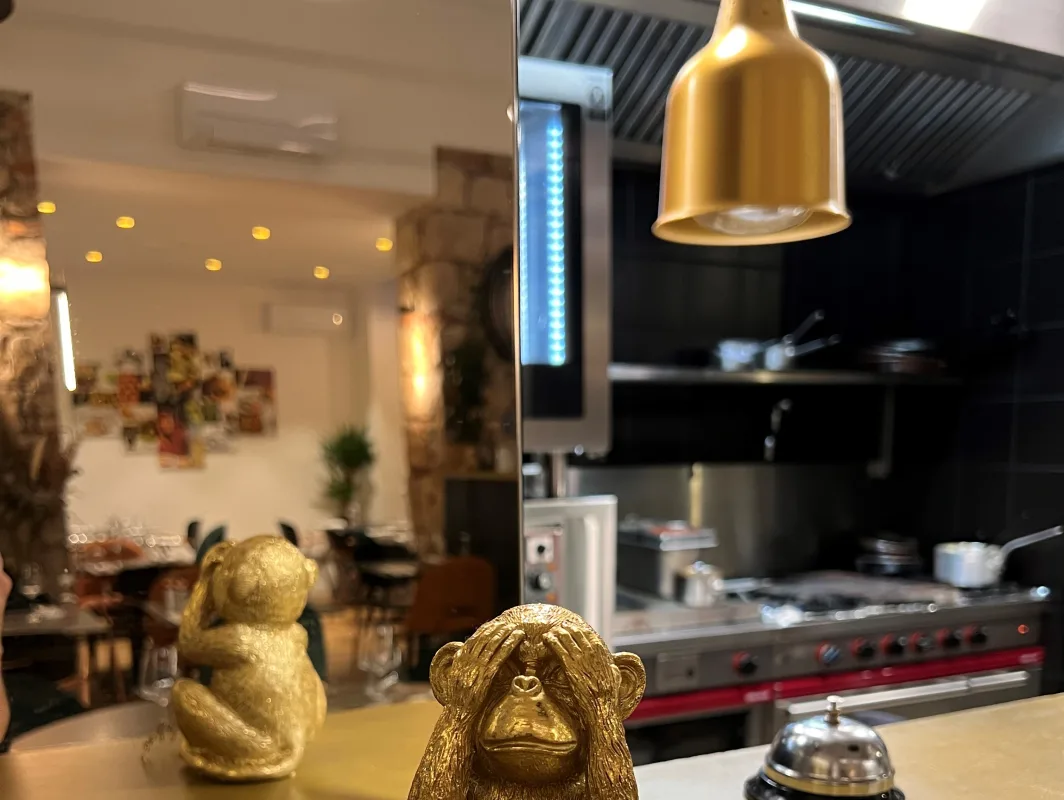
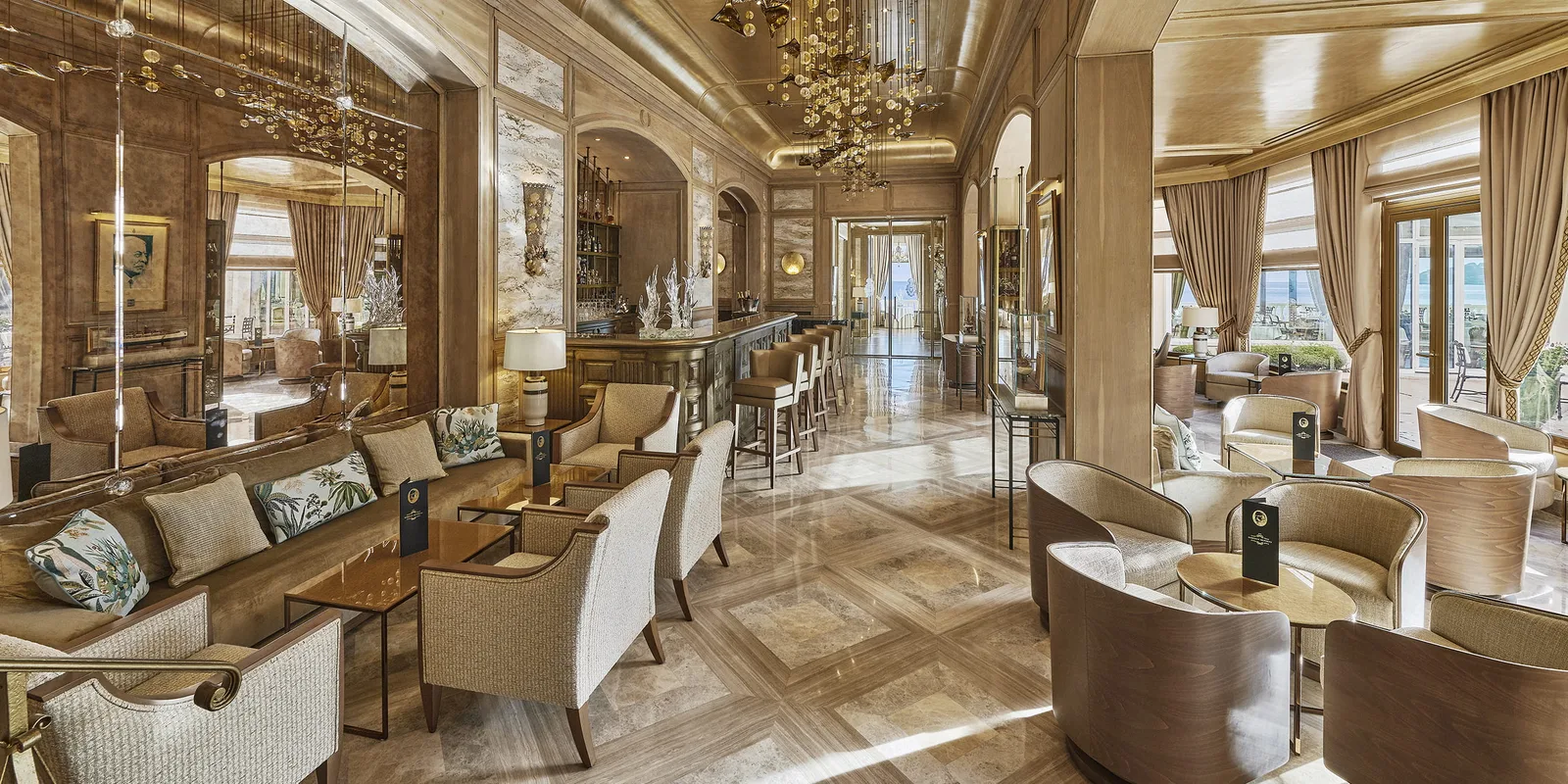
Be honest with yourself before sundown: Beaulieu does not do nightlife, and that is the point of it. The evening has two registers and both close early. The first is Gordon Bennett Bar at La Réserve — the Belle Époque lounge named for James Gordon Bennett Jr., the American press baron who paid for the railway and the harbour that made this town. Take the seaward patio at 19:30, when the bay lights come up and the room shifts mode; it runs to midnight, which is late for here. The second is African Queen down on the Port de Plaisance, a harbour brasserie that has been an institution since 1969 and was brought back to life in 2023. The kitchen goes to eleven and the late seating catches the yacht-light on the water. After that, the town is yours and the marina is silent. Walk the port for a cone at Giampi, the harbour glacier with some sixty homemade flavours, and call it a night the way Beaulieu intends — early, content, and faintly smug about the warmth.
Beaulieu doesn't try to impress you. It assumes you already know.