Grasse is the perfume capital that wears almost none. The cliché arrives by coach at eleven, files through a gift shop, sniffs a tester strip, and is gone by two — and the town lets it, the way a working place tolerates the tour that pays the bills. The Grasse worth your day is the one underneath: a steep medieval town stacked above the flower plains, ~350 metres up and ~17 kilometres back from the Cannes coast, where the scent is in the stone and the stairwells rather than on a counter. There is no sea here. That is not a gap; it is the point. What Grasse has instead is altitude, light, a market square with a fountain, and three of the oldest noses in France still compounding behind shuttered façades.
Here is how SOF reads it.
The perfume houses, decoded
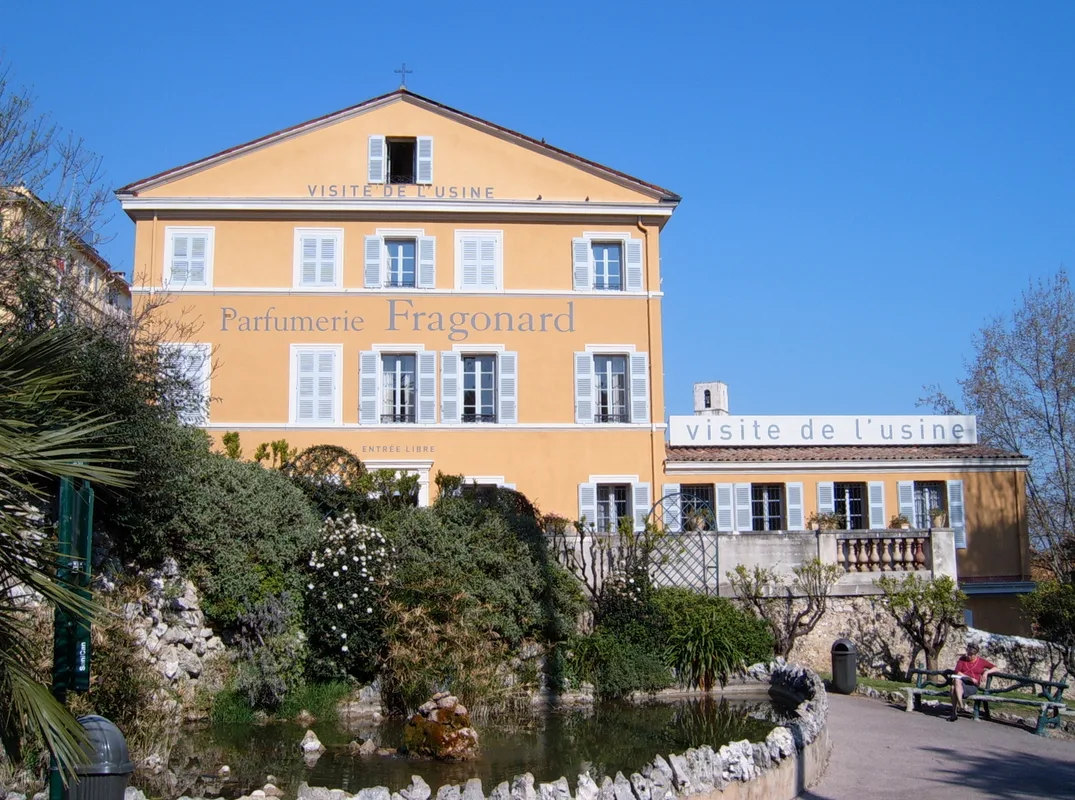
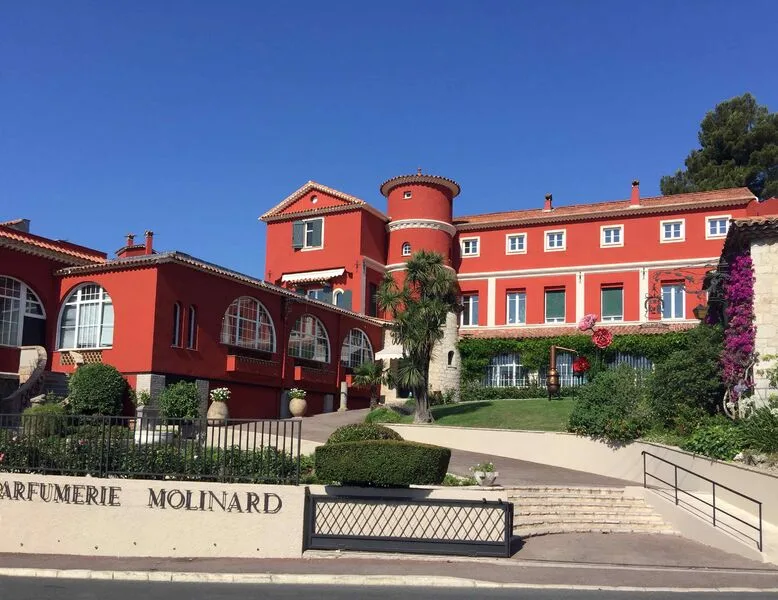
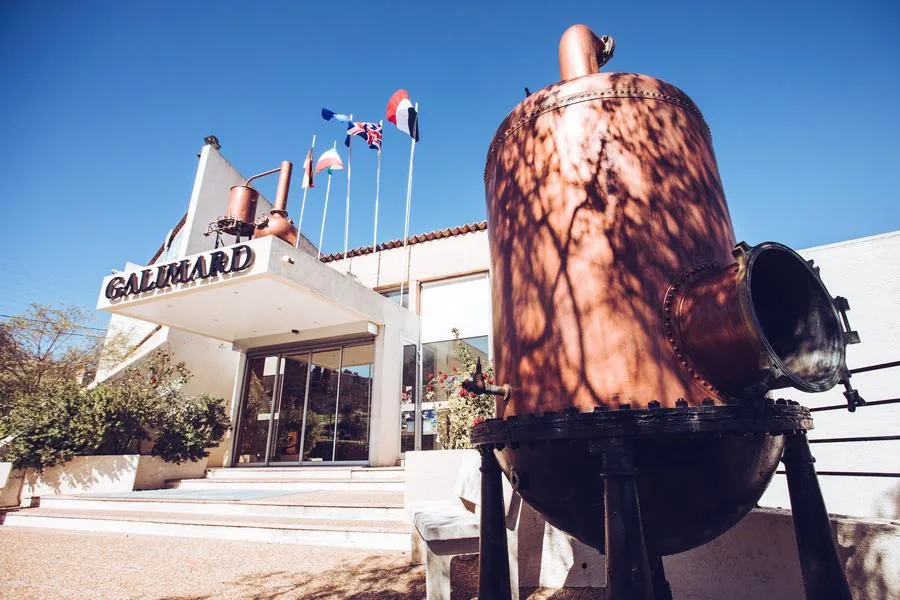
Three names do the heavy lifting, and they are not interchangeable. Fragonard's Usine Historique on the old-town entrance is the one to do first: an operational perfumery inside a 1782 building, with free guided tours running through the day. Go at eleven, when the lab assistants are mid-compounding and the work-rooms are at their loudest — the visit is genuinely about the craft, not the cash register at the end. Galimard on the Route de Cannes is the elder of the three, founded in 1747, and trades on exactly that lineage. Molinard holds the Boulevard Victor Hugo with a Bauhaus-era bastide HQ that is half the reason to go — the architecture says as much about the house as the juice does.
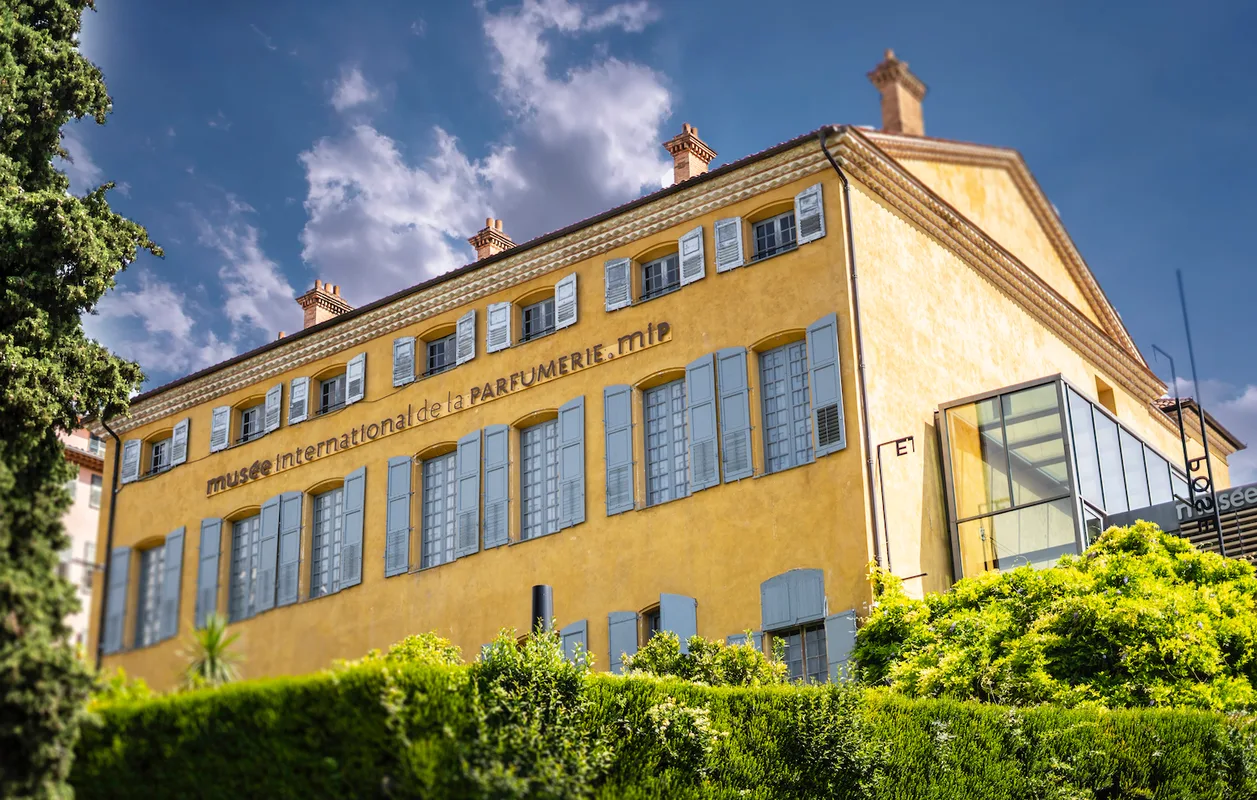
If you want the editorial rather than the commercial register, the Boutique du MIP — the Musée International de la Parfumerie — sits at the old-town entrance on the Boulevard du Jeu de Ballon. This is the curated side of the story: archival flacons, monographs, the long view of how a Provençal flower town became the world's nose. The houses sell you the souvenir; the MIP tells you why it matters. Do one of each and you have understood the place.
The honest move is restraint. You do not need all three houses in a morning. One working tour, one good walk, and a bottle chosen slowly beats the conveyor-belt version every time. The pilgrimage you bring home from Grasse is a flacon, not a fridge magnet — and the small-format outposts on the Place aux Aires let you buy it without the gift-shop scrum.
Where the town actually eats
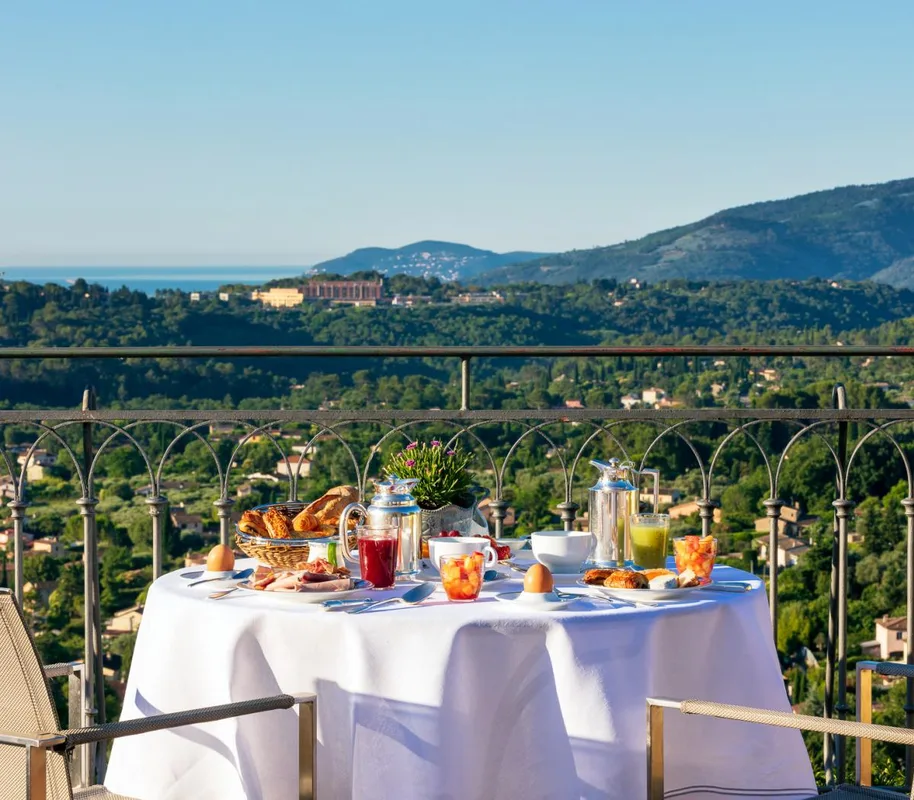
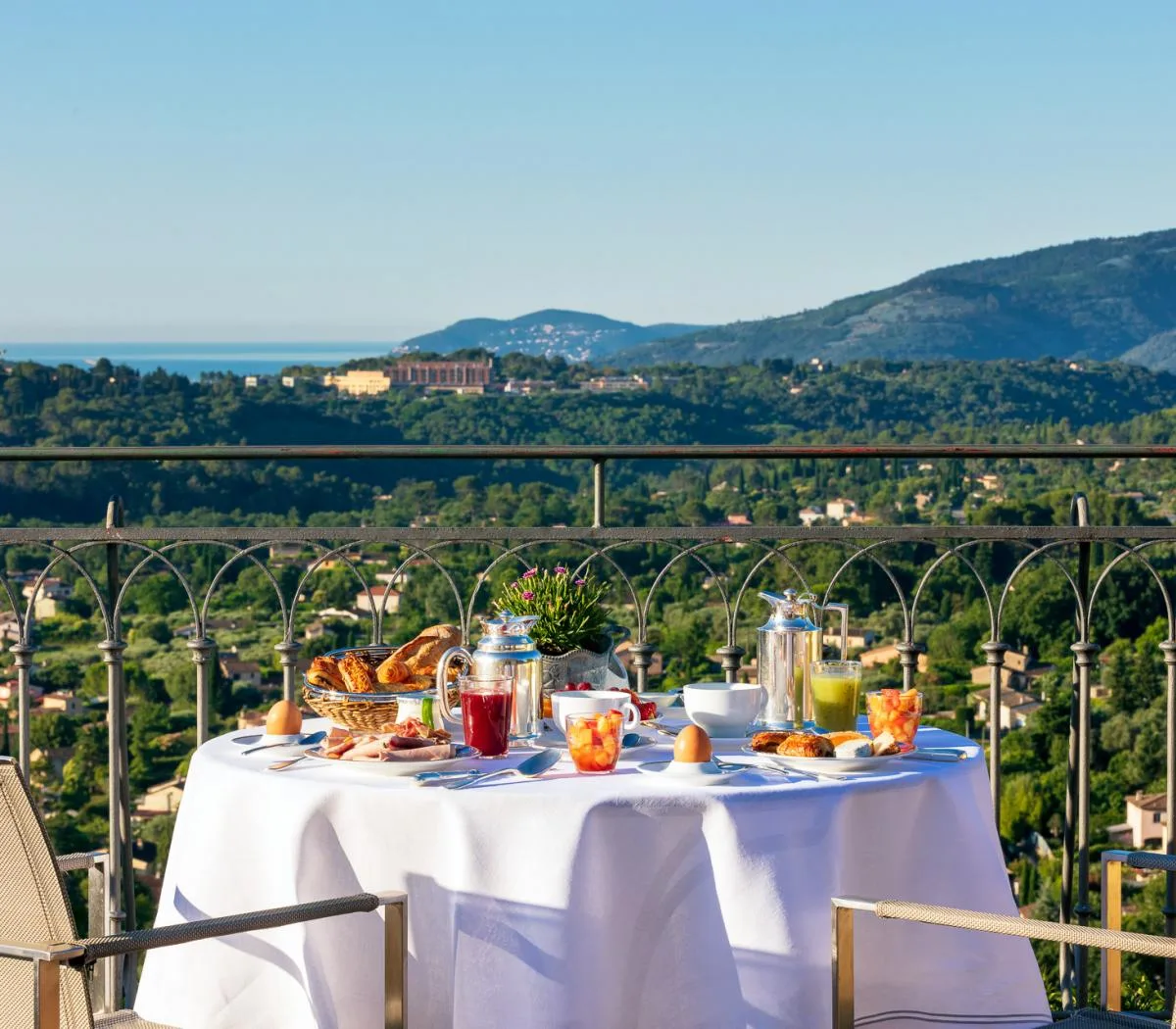
The day-trip crowd never finds this, because it leaves before lunch matters. Grasse's real table is La Bastide Saint-Antoine on the Avenue Henri Dunant — a nineteenth-century Relais & Châteaux bastide set in four hectares of olive, jasmine and orange, where the air, frankly, does half the cooking. It carries one Michelin star under chef Laurent Barberot, who has run the kitchen since 2016, with Jacques Chibois still in residence as the house's figurehead. The olive oil of Nice AOP runs through the menu. Book the terrace, give it the whole afternoon, and let the grove do the rest.
For the countryside register, two tables reward the short drive out of town. Lougolin, on the Route de Plascassier in the hills, occupies the former Lou Fassum mas — a hillside bistrot address with a view and a slower clock. Maison Giraud — Au Fil du Temps, on the Avenue Auguste Renoir in Magagnosc, is the Provençal-countryside table, chef-run and unhurried. Neither is a place you stumble into; both are places you decide on.
Back in the old town, the everyday register lives on the Cours Honoré Cresp, the main axis, where Brasserie du Cours — Le Celtic catches the last horizontal light on a shaded plane-tree terrace before the sun drops behind the village. The Café des Musées, beside the Fragonard usine, and Café Fleur, tucked into the Rue de l'Oratoire near the chapel, are the two morning addresses — one a Fragonard-family café at the works entrance, the other an alley-shade concept café-boutique. Start a Grasse morning at either, before the eleven o'clock coaches.
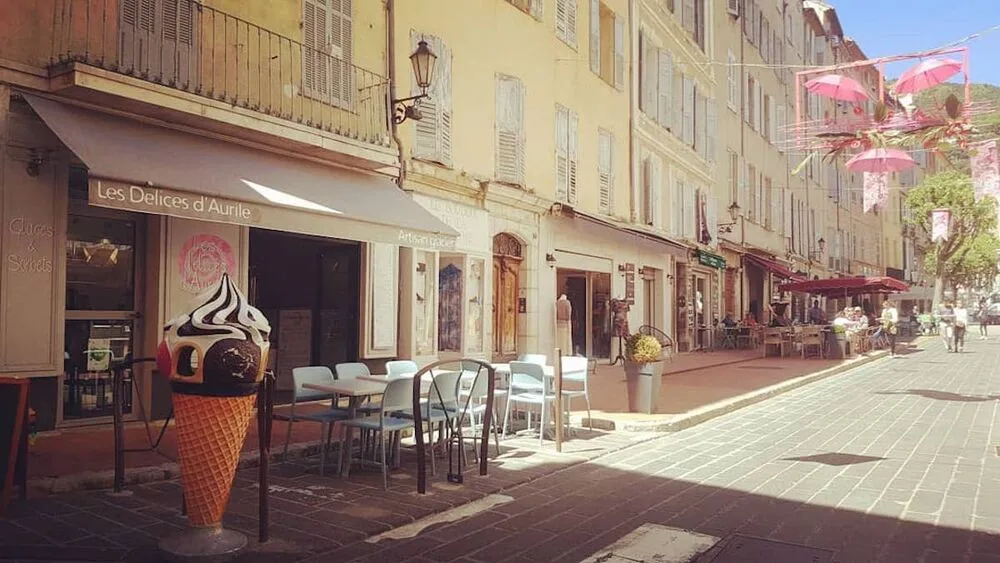
For the take-home and the in-between, the Saluzzo family has run Grasse's pâtisserie-chocolaterie counter since 1936 — six establishments across the Pays de Grasse, the old-town pickup before a museum walk. And Aurile, the town's Maître Artisan Glacier on the Place aux Aires, makes its ice cream in an in-Grasse lab: jasmine, lavender, the local flowers turned into sorbet. It is the most Grasse dessert there is — the perfume, eaten.
The apéro hour, on the square
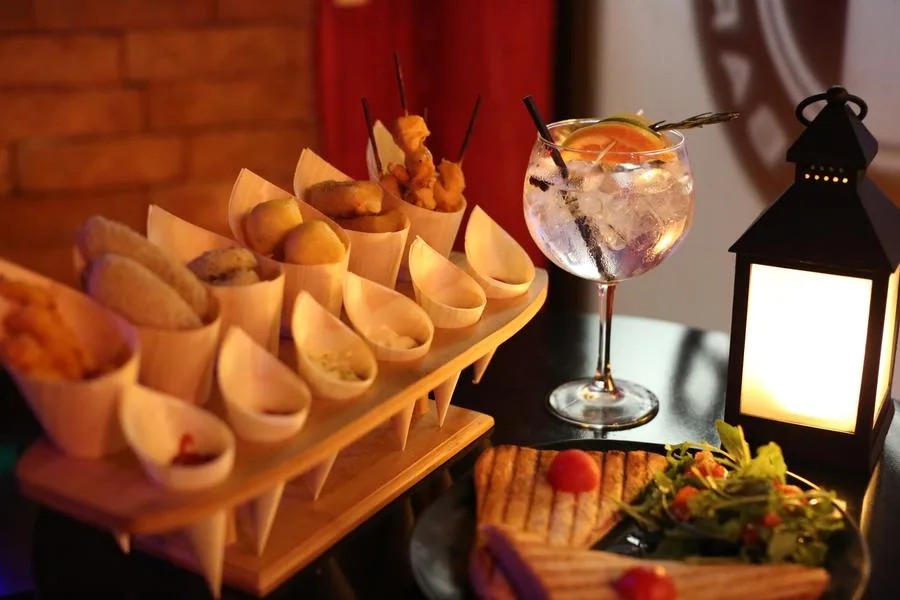
Grasse comes back to itself at six, when the buses are gone and the fountain on the Place aux Aires comes on. This is the market square and the social centre, and the apéro here is the unhyped highlight of the day. Les Délicatesses de Grasse runs a cave à vins with plancha-tapas right on the square — charcuterie planches, local produce, a glass as the light goes. Off the Avenue Félix Raybaud, Le Saint-Jacques is the pub-and-tapas address that slides the apéro towards a club, with a live DJ on Friday and Saturday. And Le Celtic on the Cours holds the golden-hour terrace.
After that, Grasse is honest about being Grasse. The old town goes quiet after midnight, and one good late address beats five padded ones: Temple Bar on the Boulevard Marcel Pagnol holds the late axis alone — cocktails, tapas and DJ sets running to two in the morning. If you want a scene past that hour, it is twenty minutes down the D6185 to Cannes. Grasse is not pretending otherwise.
When to go
May to June is Grasse at its truest, when the flower harvest is on and the plains below are working. September to October brings the warm light and the calm without the high-season coaches. Summer is busy and hot at altitude, though the old-town stairwells stay cool. The town's rhythm is a morning thing — see the perfume houses early, lunch long, and own the square at dusk.
Grasse rewards the traveller who stays past two o'clock — who lets the coaches leave, walks one stairway higher, and finds the town the day-trip never reaches.